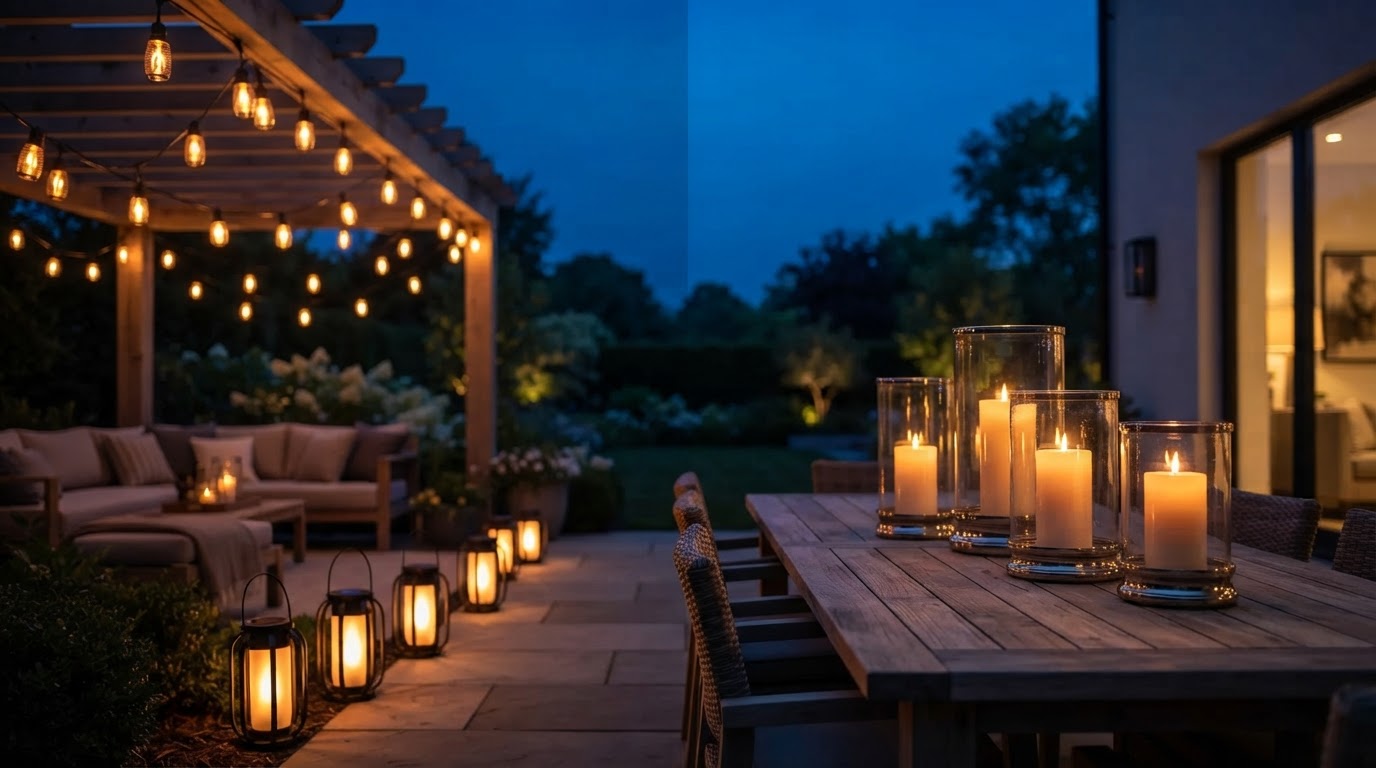
SolarFlame String Lights vs Traditional Dancing Flame Decor
 Daniel OkaforField Tester
September 20, 2026 — The shift toward dynamic, movement-based outdoor lighting has moved beyond simple pathways into sophisticated overhead arrangements like SolarFlame String Lights. As homeowners look to replicate the warmth of fire without the hazard, the market for simulated flame technology has expanded significantly.
I spent the last two weeks observing how different form factors handle the transition from dusk to full darkness. While brands like Quntis offer flickering flame solar torch lights designed for ground-level installation, the challenge has always been elevating that same visual warmth into the canopy of a patio or pergola. During my testing, I wanted to see if the overhead suspension of a flickering effect could maintain the same "rhythmic heartbeat" that ground stakes provide. I tested this for fourteen consecutive nights, monitoring how the visual weight of the light changed as the battery levels dipped toward 3:00 AM.
The Elevated Atmosphere Framework
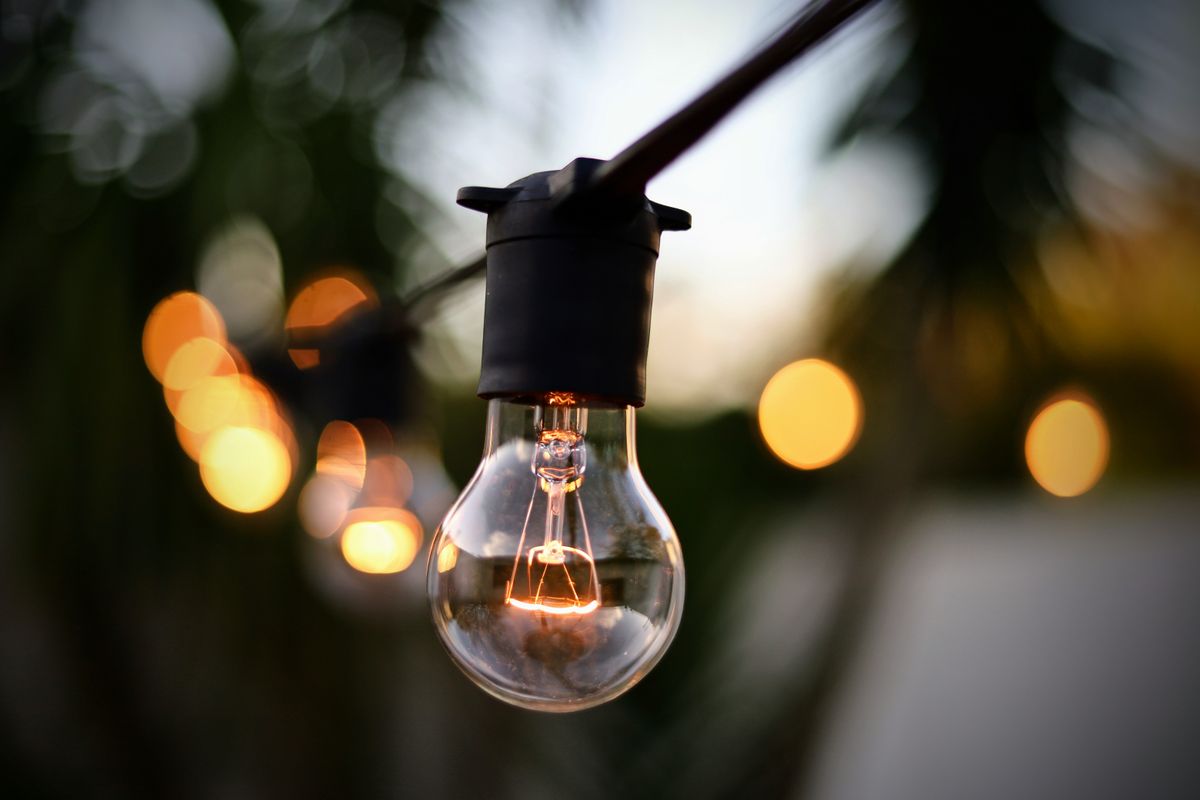
Photo by Ricardo Usher Malcolm on Pexels
When I moved the SolarFlame String Lights from the box to my backyard trellis, I focused on three specific metrics: visual synchronization, structural integrity under tension, and the realism of the oscillation. Unlike the Exhart Solar Dancing Flame Torch Garden Stakes which rely on a fixed vertical position, the string format introduces movement from wind, requiring a different internal LED logic to keep the flame looking natural. What surprised me: the SolarFlame units didn't just flicker; they simulated a rising heat signature that looked remarkably consistent even when the wires were swaying. I noticed that the internal light engine operates independently within each bulb, preventing that distracting "synchronized blink" that often ruins cheaper solar sets. On day three is where I noticed the weatherproofing really mattered. We had a heavy localized downpour, and while the ground-based stakes I was comparing them against became slightly clouded with interior condensation, the SolarFlame housings remained completely clear. This durability is critical because these lights are intended to stay mounted year-round. I found that the hanging orientation actually helps shedding water more effectively than upright torch designs. Here's the moment it earned its place: at 9:00 PM on a Tuesday, the ambient glow was sufficient to navigate the patio without needing a single harsh floodlight, yet it remained soft enough that it didn't spill over into my neighbor's yard. If I were doing this again, I would ensure a tighter tension wire for the initial install, as the bulbs have a satisfying heft that requires a sturdy support.
Expert tip: To maximize the lifespan of your flickering effect, wipe the top-mounted solar panels with a damp microfiber cloth every two weeks to prevent pollen buildup from throttling the charge.
Understanding the solar powered fire effect string lights technology helps explain why these LEDs don't just flash on and off. For those concerned about installation in wet climates, following a waterproof solarflame string lights setup guide ensures the connections stay dry. If you are debating between these and ground options, consider how flickering flame solar path lights serve a different navigational purpose compared to overhead decor. Many users also ask if these outdoor hanging solar flame lanterns provide enough light for reading; they are designed for mood, not task lighting.
According to Quntis, flickering LEDs are designed to resemble real flames within a specialized lampshade, a principle that SolarFlame String Lights successfully adapts for overhead use.
Shop SolarFlame String Lights.