
Enhancing Ambiance with SolarFlame String Lights Technology
 Priya RamanSenior Analyst
September 16, 2026. This analysis explores the technical integration of flickering LED technology within photovoltaic systems to create realistic fire effects for residential landscapes. It is designed for homeowners seeking to balance aesthetic warmth with sustainable infrastructure.
To evaluate the utility of modern outdoor illumination, think of it as a matrix of energy density and visual fidelity. When selecting solar powered fire effect string lights, two axes matter here: the efficiency of the conversion hardware and the sophistication of the light-emitting diode (LED) pulsing algorithm. The objective is to replicate the organic, non-linear movement of a natural flame without the safety risks or carbon footprint associated with combustion. While traditional string lights provide static illumination, the fire effect category relies on a specific oscillation of light intensity. This requires a robust energy management system, as the varying power draw of a flickering effect can strain lower-quality batteries. The integration of waterproof solar flickering string lights into a broader design scheme ensures that these visual elements remain functional regardless of precipitation or humidity levels, providing a reliable baseline for outdoor aesthetics.
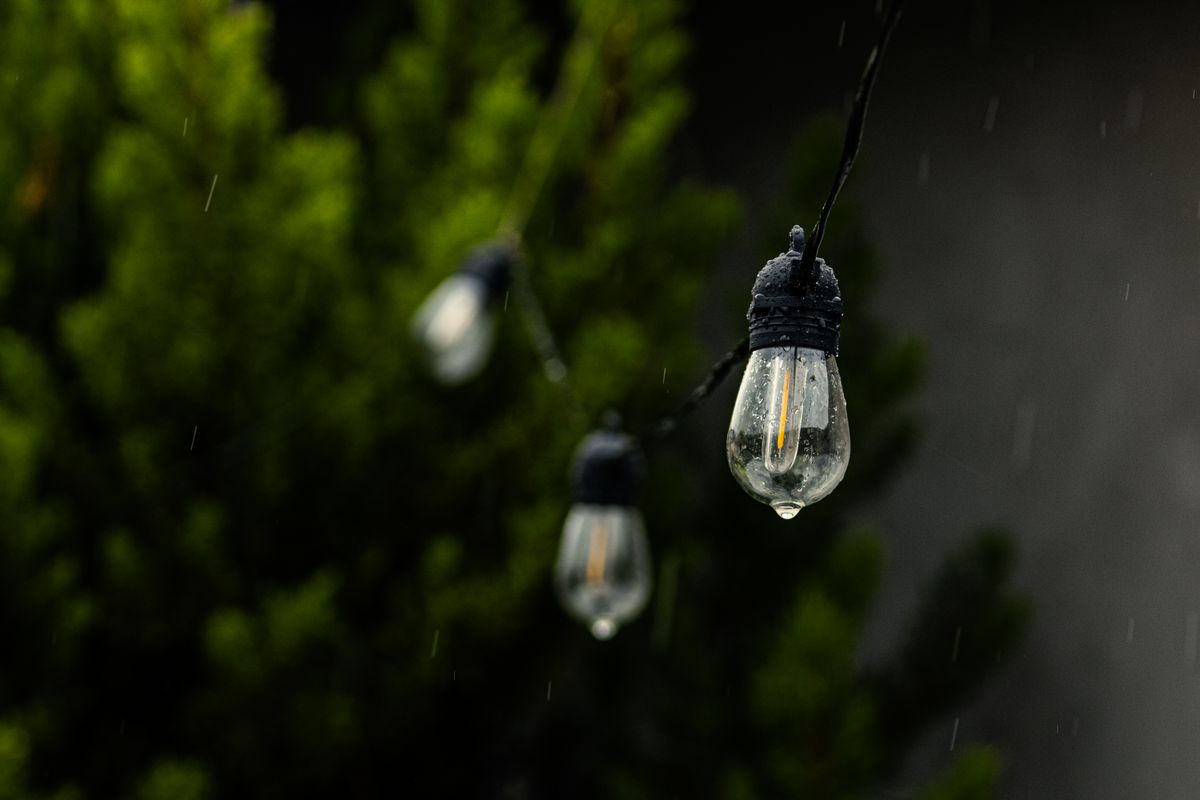
Photo by Ramsés Castillo on Pexels
SolarFlame String Lights address these technical challenges by utilizing high-efficiency monocrystalline solar panels paired with high-capacity lithium-ion storage cells. This hardware configuration ensures that the fire effect remains consistent throughout the night, avoiding the dimming common in inferior systems. The flickering effect is achieved through a proprietary controller that modulates the LEDs in a pseudo-random sequence, mimicking the behavior of oxygen-fed flames. This level of detail is often missing in standard decorative lighting but is essential for creating a convincing atmosphere. For those looking to extend this visual language to other areas of the property, flickering flame solar path lights offer a grounded alternative that complements the elevated position of string lights. Furthermore, the use of dancing flame solar patio decor allows for a layered lighting approach, where multiple fire-effect sources work in tandem to create depth. By centralizing the power source in an external solar spike, the system avoids the weight and bulk of individual batteries in every bulb, allowing for a more elegant and versatile installation. This architectural approach is also reflected in outdoor hanging solar flame lanterns, which utilize similar internal logic to maintain visual cohesion across the landscape.
The decision rule for implementing these systems depends on the specific environmental constraints of the installation site and the desired duration of the effect. Once you see it this way, it becomes clear that the quality of the solar collector is just as important as the LEDs themselves. A successful deployment requires a balanced assessment of sun exposure, total cord length, and the physical durability of the bulb housing. When auditing potential lighting solutions, consider the following technical checklist:
- Verify the solar panel wattage relative to the number of LEDs to ensure a full charge cycle supports at least 8 hours of operation.
- Assess the IP (Ingress Protection) rating to ensure the system can withstand localized weather patterns, particularly if using waterproof solar flickering string lights in high-moisture zones.
- Evaluate the color temperature of the LEDs, aiming for a range between 1600K and 1900K to accurately simulate the warmth of a real fire.
- Confirm the presence of an integrated light sensor for automatic dusk-to-dawn activation, reducing manual maintenance requirements.
- Check for modularity in the wiring, allowing for the addition of dancing flame solar patio decor or other compatible units to the same circuit if supported.
- Examine the mounting hardware for versatility, ensuring the panels can be positioned at the optimal angle for UV absorption regardless of the string light placement.