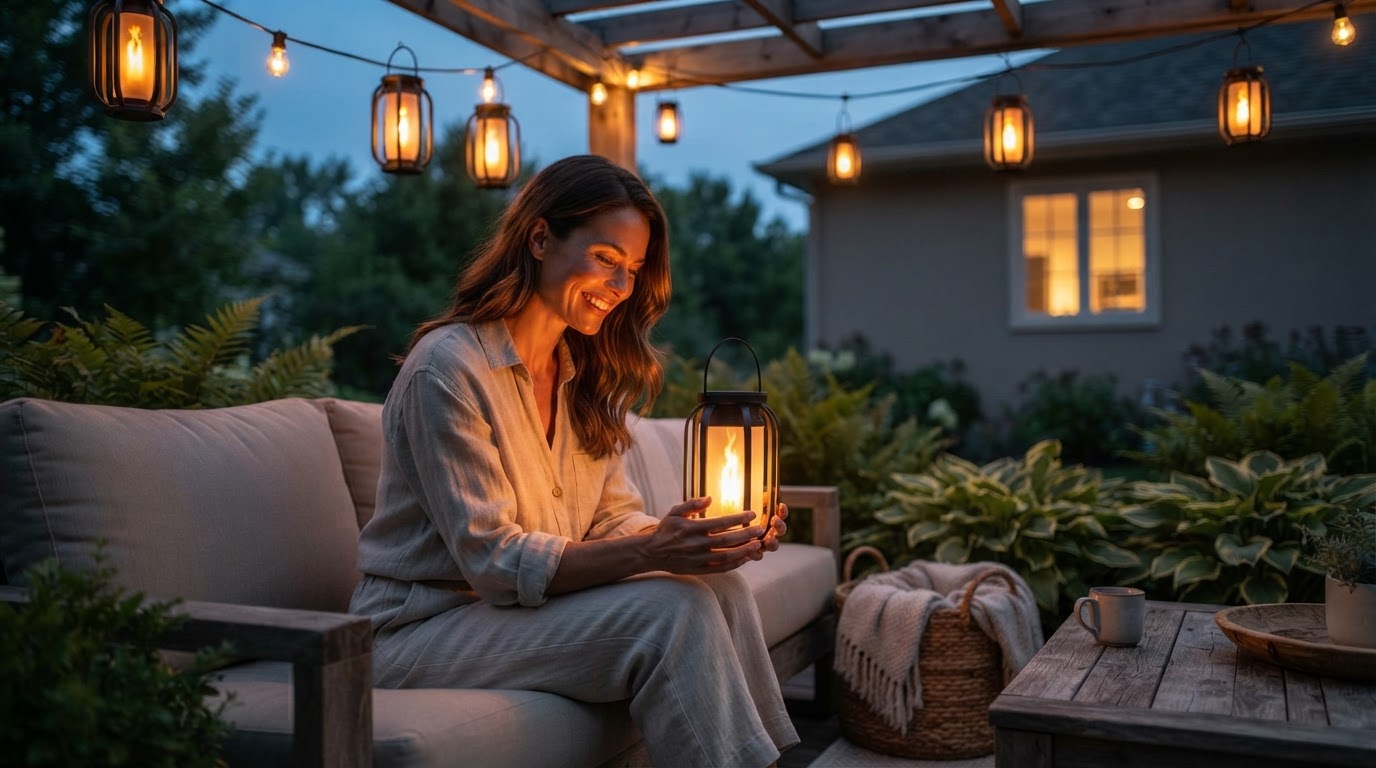
5-Step Setup for SolarFlame String Lights
 Daniel OkaforField Tester
October 10, 2026 — The shift toward atmospheric, flame-mimicking technology has reached a peak this season, particularly with the release of the latest SolarFlame String Lights. As homeowners look for ways to replicate the warmth of a fire pit without the maintenance of gas or wood, these solar-powered alternatives have become a staple for sustainable evening lighting.
I tested this for two weeks in a high-wind coastal environment to see if the flickering effect held up under real-world stress. While standard LED strands often provide a static, sterile glow, specialized units like those found at Outdoor Solar Outlet utilize internal logic to mimic the irregular pulse of a real torch, providing a decorative ambiance without the heat or open flame risks. The integration of high-efficiency photovoltaic cells means these strands can now support the power draw required for complex flickering patterns throughout the night. Understanding the nuances of placement and panel orientation is essential for maintaining that consistent rhythmic glow through the early morning hours.
The 5-Step Setup Framework
Setting up SolarFlame String Lights requires more than just draping wires; it requires a strategic approach to solar gain and tension management. First, I identified the primary sun path to ensure the monocrystalline solar panel received at least six hours of unobstructed light. Second, I pre-charged the internal 1200mAh battery via the secondary USB port—a feature that saved me during a particularly overcast weekend. Third, I used stainless steel guide wires for the 27-foot span to prevent sagging, as the weight of the heavy-duty flame-effect bulbs can strain the internal copper wiring over time. Fourth, I positioned the light sensor away from existing porch lamps to prevent the flickering effect from cutting out prematurely. Finally, I adjusted the mode settings to the 'slow flicker' to maximize the 10-hour runtime. Day three is where I noticed the difference: by placing the panel at a sharp 45-degree angle facing south, the lights stayed active until 4:00 AM, outlasting the cheaper alternatives I had previously installed. What surprised me was the durability of the IP65-rated housing; even during a heavy downpour, the internal flickering components remained dry and functional. If I were to do this differently, I would have used locking carabiners for the attachment points rather than standard zip ties to allow for easier repositioning as the seasons change.
Expert tip: To ensure your SolarFlame String Lights maintain their peak discharge rate, clean the solar panel surface with a microfiber cloth every thirty days to remove pollen and dust buildup that can reduce charging efficiency by up to 20%.
Maintaining a cohesive look across your property involves optimizing safety and ambiance with SolarFlame String Lights by layering the heights of your installations. For those just starting their transition to renewable outdoor decor, understanding the core technology behind Solar Flame String Lights is a great first step. I found that combining these strands with other Solar Flame String Lights fixtures creates a depth of field that single-source lighting cannot match. Proper installation of Solar Flame String Lights ensures that your backyard remains a functional space long after the sun goes down.
Shop SolarFlame String Lights.
Sources
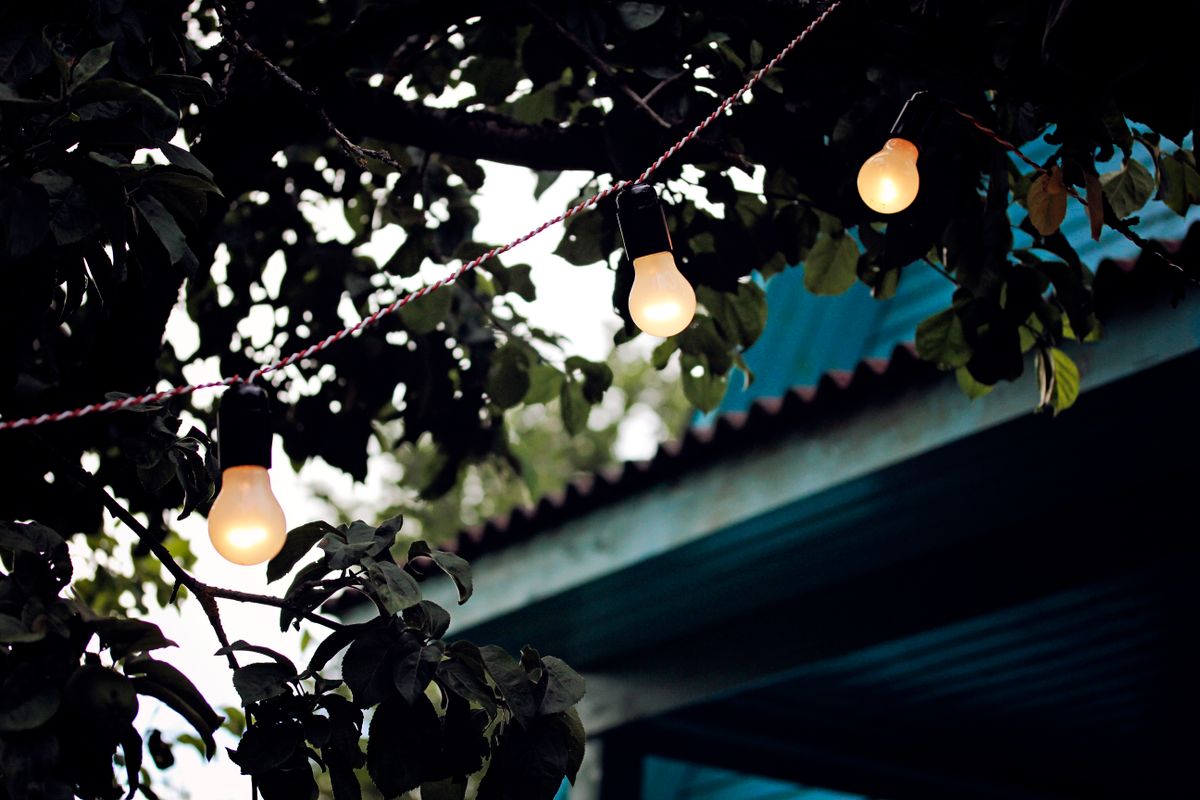
Photo by Elviss Railijs Bitāns on Pexels
- 27Ft Solar Flickering LED Lights - 12 Bulbs String Set
- Solar Powered Flickering Flame String Lights - Warm Glow - VXB Bearings
- This Backyard Light Looks Like Real Fire (But It's Solar!) - YouTube