SolarFlame String Lights: The 5-Step Path Setup
 Sam VasquezBuying Guide Lead
September 3, 2026 — The shift toward atmospheric landscape lighting has seen a surge in interest for solar pathway lights with flame bulbs, particularly the durable SolarFlame String Lights configurations. Property owners are increasingly moving away from static LED stakes in favor of the dynamic, rhythmic flicker provided by solar-powered flame modules.
Energy efficiency in residential lighting remains a primary driver for this transition, as modern solar cells can now capture enough ambient light to power decorative effects throughout the night. According to the U.S. Department of Energy, solar lighting offers an easy way to increase security and aesthetic value without the recurring costs of electrical grid consumption. By focusing on high-conversion monocrystalline panels, brands like SolarFlame String Lights ensure that these decorative paths remain illuminated even after overcast days, provided the placement is optimized for solar gain.
The 5-Step Setup
Photo by Bogdan Semenchuk on Pexels
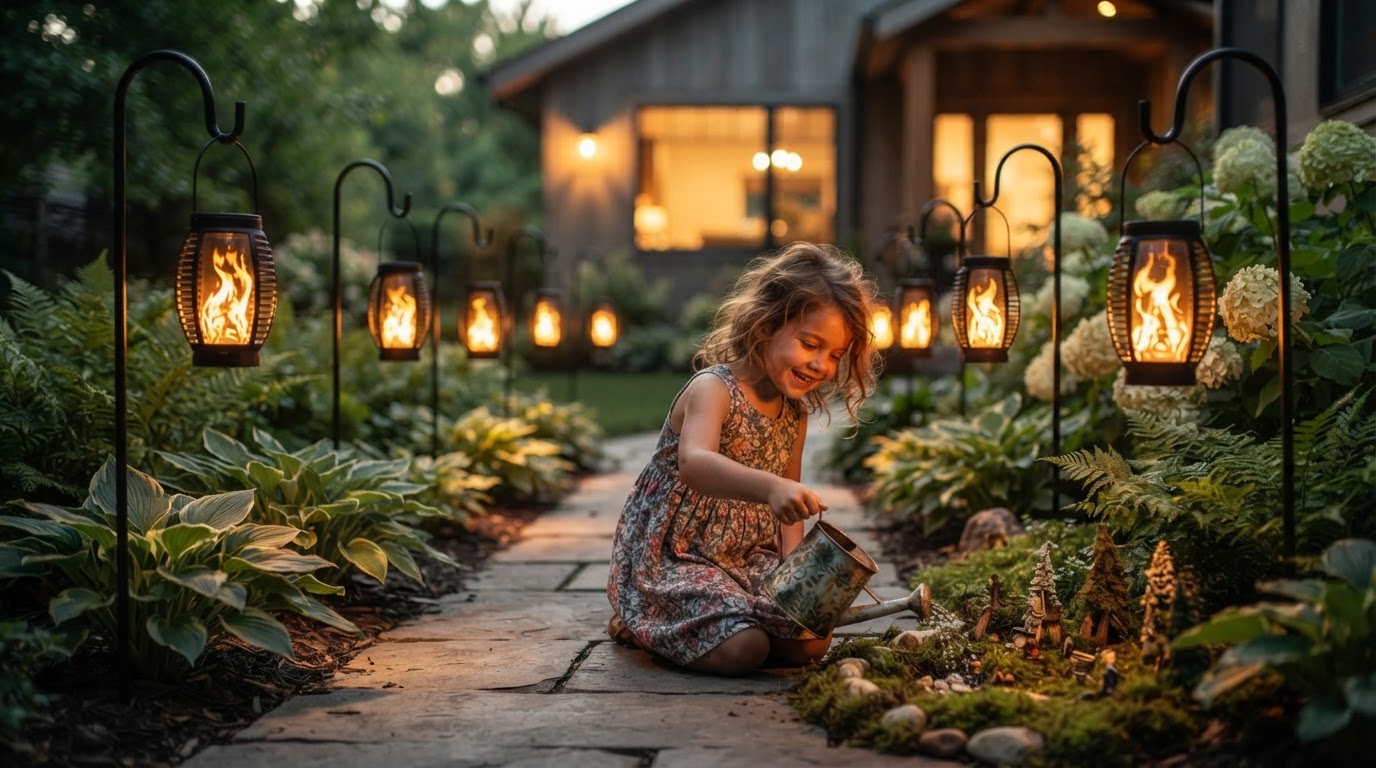
Setting up solar pathway lights with flame bulbs requires more than just sticking stakes in the ground; it requires a strategic approach to light intervals and solar exposure. First, map your walkway to ensure a spacing of three to five feet between each unit. This prevents the flickering effects from overlapping into a chaotic strobe and maintains a clear visual guide for walking. Second, clear any low-hanging foliage that might obstruct the integrated solar panels. Third, ensure the ground is moistened before insertion to avoid damaging the stake or the internal wiring of your SolarFlame String Lights. Fourth, set the toggle to the 'on' position before final placement to allow the initial charge cycle to begin. Finally, clean the sensor housing once a month to prevent dust buildup from reducing charging efficiency. Between these two approaches—individual stakes versus string-mounted lanterns—I'd go with the string-mounted SolarFlame String Lights for permanent perimeter paths because they offer more stability in high-wind areas. If you're on a budget, individual plastic stakes might seem tempting, but they rarely survive a single winter season. Skip this if you have a heavily wooded lot with zero direct sunlight, as the flickering effect will likely fail by midnight without at least four hours of clear exposure. For those with open garden spaces, the flickering flame solar garden lights provide a similar aesthetic but in a more centralized format.
Expert tip: Check the IP rating on your hardware before installation; while most decorative lights handle rain, only units with an IP65 rating or higher, common in the SolarFlame String Lights line, should be placed near automated sprinkler systems that hit the housing directly.
Integrating these units into a broader design often involves mixing heights and textures. You might consider pairing your path lighting with solar torch lights for garden to create vertical interest at the corners of your lot. For a more relaxed, overhead feel, solar tiki torch string lights can be draped along fences to complement the ground-level flicker. If you prefer a more minimalist look, SolarFlame String Lights for modern path illumination offers a streamlined profile that fits contemporary architecture better than traditional lanterns.
Here's what I'd actually buy: the SolarFlame String Lights kit with the reinforced ground stakes, as the build quality outperforms the generic alternatives found in big-box retail stores.
Shop SolarFlame String Lights.