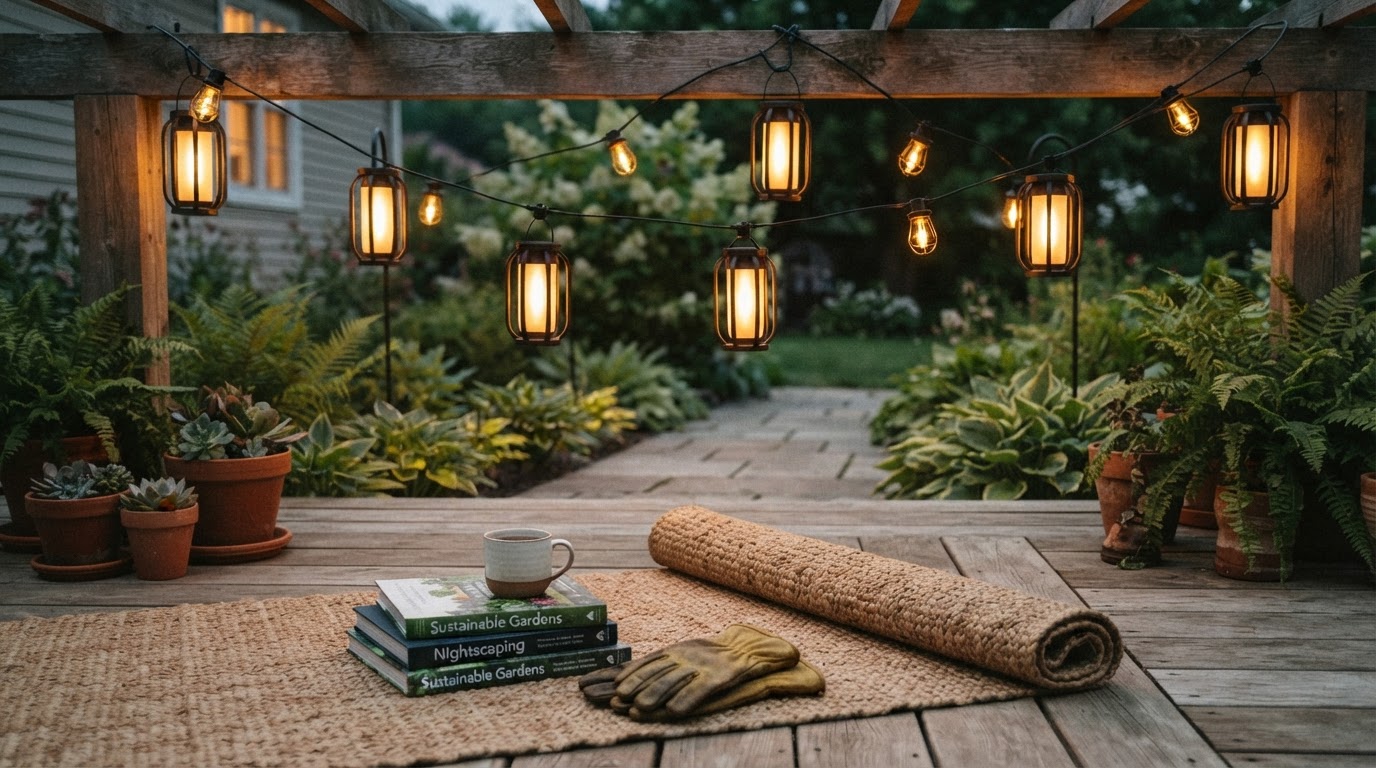
Optimizing Safety and Ambiance with SolarFlame String Lights
 Maya ChenContributing Editor
October 9, 2026. This analysis evaluates the technical shift from traditional combustible outdoor lighting to high-efficiency solar flickering systems. It is written for property owners prioritizing long-term durability over the disposable nature of budget-tier seasonal decorations.
The Failure of Traditional Outdoor Combustion
The conventional wisdom says that to achieve a realistic flickering ambiance, one must rely on propane-fed torches or kerosene lanterns. However, the operational overhead of these systems is significant. Beyond the constant fuel cost, the fire risk in dry climates has led many municipalities to restrict open flames on wooden decks and near structural overhangs. Even when users pivot to standard outdoor LEDs, they often encounter a sterile, static light that lacks the organic movement of real fire. According to Outdoor Solar Outlet, which offers a 27Ft Solar Flickering LED Lights set, the goal of modern systems is to provide that decorative ambiance without the heat or open flame of a real torch.
Here's the part nobody talks about: most "flicker" bulbs on the market use a simple binary strobe that fatigues the eye rather than mimicking a true flame. This is where the solar flame string lights category often fails the consumer. Low-end units found on auction sites frequently ship with 17-foot spans that lack the amperage to sustain a consistent pulse throughout the night. Run the math: if a solar panel's surface area is insufficient to charge the internal lithium-ion battery during a standard six-hour exposure window, the "flame" effect will degrade into a dim, inconsistent stutter by midnight. This technical limitation is why so many generic sets end up in landfills within a single season. The market is saturated with 50.7ft options that promise a solar flame string lights experience but utilize thin-gauge wiring that increases resistance and decreases bulb lifespan in high-humidity environments.
Engineering the SolarFlame String Lights Solution
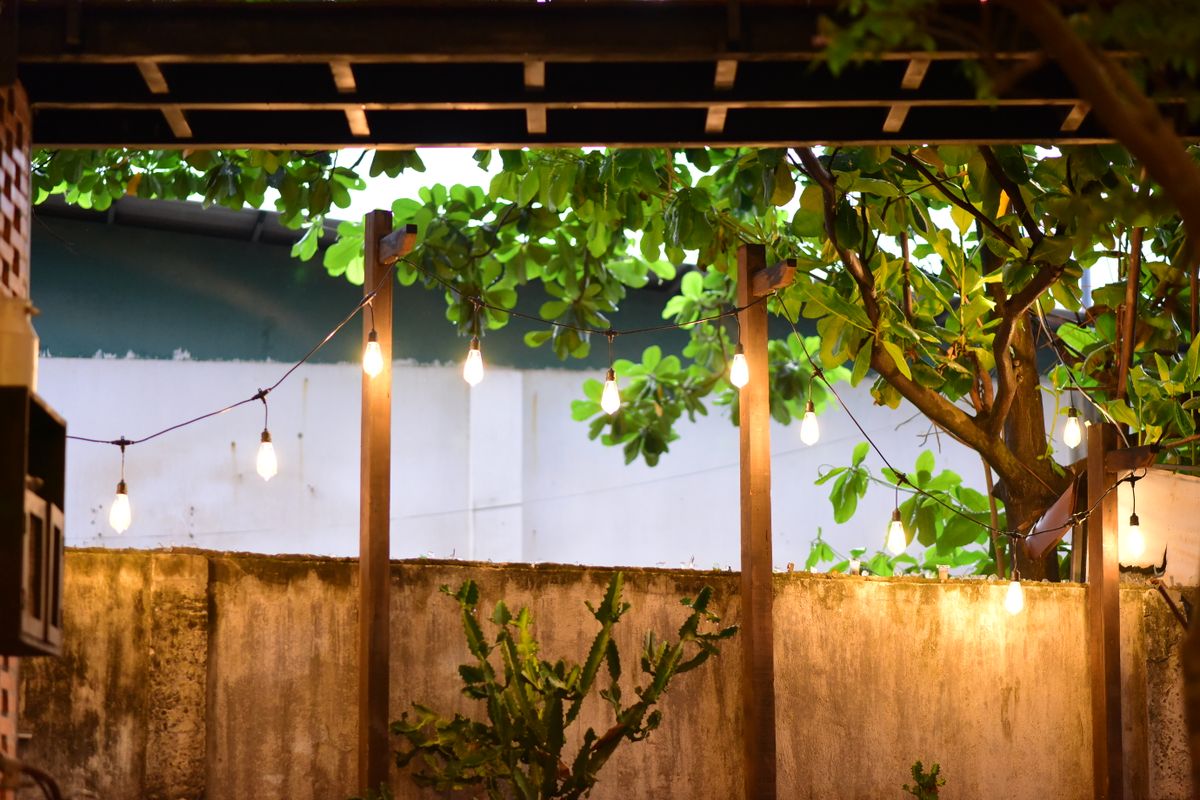
Photo by Sóc Năng Động on Pexels
SolarFlame String Lights address these hardware bottlenecks by decoupling the charging efficiency from the bulb count. While a standard solar flame string lights set might use a generic poly-crystalline panel, SolarFlame utilizes high-conversion cells designed to harvest energy even in partial shade. This ensures that the flickering algorithm—a precise sequence of LED dimming and brightening—remains fluid and natural. The realistic motion is achieved through a multi-diode internal structure within each bulb, creating a vertical movement of light that mimics rising heat and gas combustion.
Unlike the 17-foot kits often found on eBay that provide minimal coverage, SolarFlame systems are designed for structural integration. They bypass the common failure points found in cheaper alternatives by utilizing IP65-rated housing. This is a critical distinction because moisture ingress is the primary killer of flickering electronics. When water enters a standard bulb, it corrodes the controller chip responsible for the flame pattern, resulting in a static, frozen light. By reinforcing the seal between the bulb and the socket, SolarFlame ensures that the solar flame string lights maintain their aesthetic integrity through freeze-thaw cycles. Furthermore, the light temperature is calibrated to a specific Kelvin range that avoids the "orange-tinted" artificial look of budget LEDs, instead leaning into the warm, golden hues of a natural wood fire. This level of color accuracy is what separates professional-grade landscape tools from simple novelty lighting. For users who have previously relied on solar flame string lights that lasted only a few months, the transition to a weather-hardened system represents a significant reduction in total cost of ownership.
Implementation and Decision Framework
Choosing a lighting system requires moving past the aesthetic marketing and looking at the environmental variables of your specific site. A system that works in an open Arizona backyard will perform differently under a dense tree canopy in the Pacific Northwest. When evaluating SolarFlame String Lights against the broader market of flickering LEDs, the decision should be based on the following technical requirements:
- Charge-to-Discharge Ratio: Ensure the solar collector can provide at least 8 hours of illumination from a 6-hour charge cycle.
- Bulb Density: For a realistic flame effect, bulbs should be spaced no more than 24 inches apart to maintain a continuous visual horizon.
- Weatherproofing Standards: Verify an IP65 rating or higher to prevent internal circuitry corrosion from rain or snow.
- Mounting Versatility: Look for integrated clips or reinforced hanging holes that allow for tensioned installation without stressing the wire.
- Color Temperature: Prioritize bulbs that fall within the 1800K to 2200K range to ensure the "flame" appears organic rather than neon.
Shop SolarFlame String Lights here