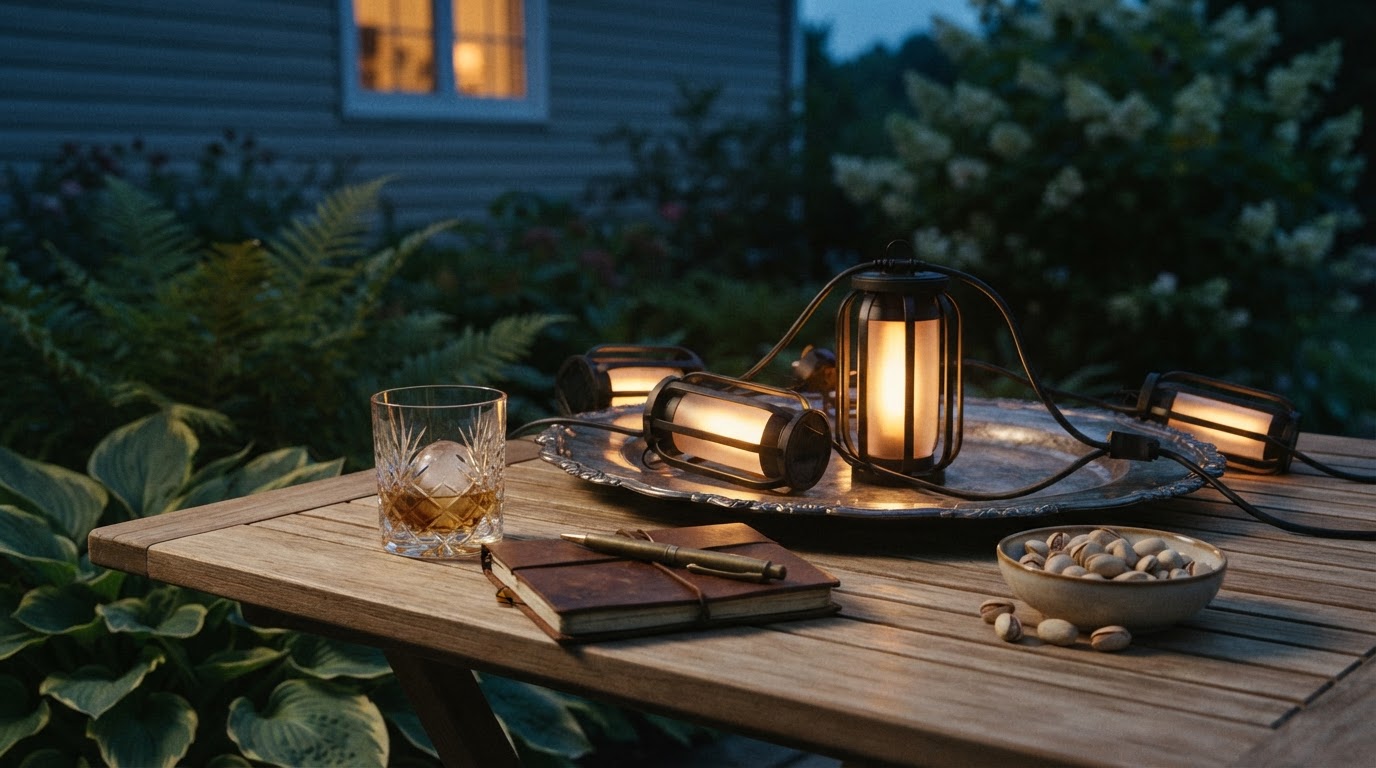
Optimizing Ambiance with SolarFlame String Lights
 Priya RamanSenior Analyst
September 11, 2026. This technical assessment explores the integration of realistic flame solar hanging lights into modern residential landscapes. It is written for homeowners and designers seeking to balance atmospheric aesthetics with sustainable energy performance.
The Atmospheric Challenge in Outdoor Lighting
Selecting appropriate outdoor illumination requires balancing two primary axes: visual realism and operational efficiency. In traditional landscape design, the pursuit of a natural fire aesthetic often resulted in high maintenance costs or fire safety risks. The emergence of LED-driven fire effects has solved the safety concern, yet many consumer-grade products fail to replicate the organic cadence of a true flame. Think of it as a matrix of color temperature and flickering frequency. If the frequency is too rhythmic, the human eye perceives it as artificial; if the color temperature exceeds 2000 Kelvin, the light loses its warm, amber quality. According to the International Dark-Sky Association, the choice of outdoor lighting also impacts local ecosystems, making the transition to targeted, low-intensity solar solutions a matter of environmental responsibility. Homeowners often struggle with solar flame string lights that provide insufficient lumen output or fail to hold a charge through the night. The problem is compounded by the varying quality of photovoltaic cells, which must be efficient enough to convert limited daylight into a sustained evening glow. When evaluating solar powered fire effect string lights, the primary technical hurdle is ensuring that the internal battery capacity matches the power draw of the flickering LED controller. Without this balance, the "flame" effect often stutters or dims prematurely, breaking the immersive quality of the outdoor space. This is particularly noticeable in hanging applications where the light source is at eye level and subject to closer scrutiny than ground-level path lights.
SolarFlame String Lights and Technical Integration
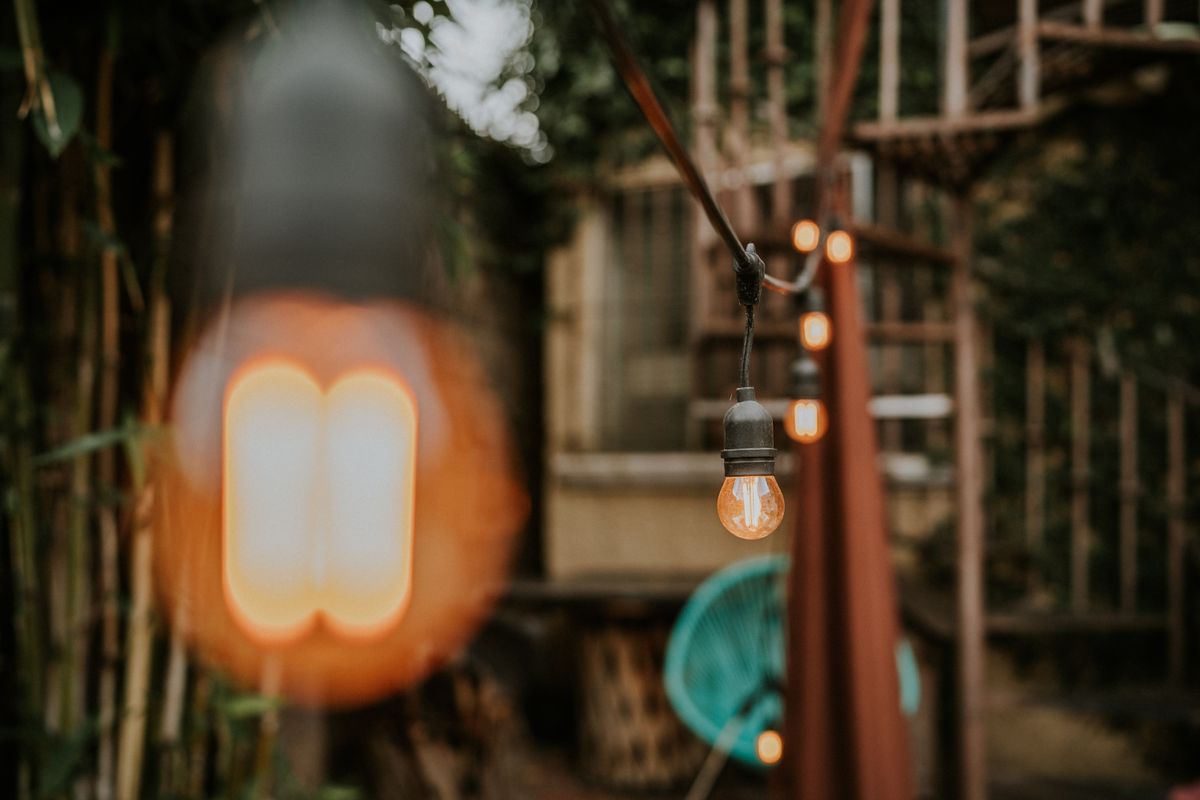
Photo by Amar Preciado on Pexels
SolarFlame String Lights address these atmospheric challenges by prioritizing a high-fidelity flickering algorithm that mimics the unpredictable movement of fire. The hardware architecture utilizes high-efficiency monocrystalline solar panels, which outperform standard polycrystalline alternatives in low-light conditions. Two axes matter here: the durability of the housing and the sophistication of the light-emitting diode. The SolarFlame design utilizes a weather-resistant casing that protects the internal circuitry from moisture ingress, a common failure point for outdoor hanging solar flame lanterns. By housing the flickering logic within a sealed unit, the system maintains a consistent 1800K to 1900K color temperature, which is the specific range required to simulate a natural wood-burning flame. Furthermore, the integration of smart sensors allows the lights to automatically activate at dusk, ensuring that the dancing flame solar patio decor functions without manual intervention. The energy management system is calibrated to provide up to 8 hours of illumination on a full charge, a metric that is essential for hosting evening events or maintaining consistent perimeter security. Once you see it this way, the distinction between a simple light bulb and a simulated flame becomes clear; the latter requires a precise oscillation of brightness levels across multiple LED nodes within each bulb. This multi-node approach creates depth, preventing the light from appearing as a flat, two-dimensional flash. When these units are deployed as part of a broader lighting scheme, they complement other fixtures like outdoor hanging solar flame lanterns by providing a continuous, rhythmic light path that guides the eye across the landscape.
The Decision Framework for Realistic Flame Effects
Photo by Vadim Koza on Pexels
The decision rule: prioritize the harmony between charge-to-discharge ratios and the realism of the flicker pattern. To achieve a professional-grade installation, one must evaluate the physical environment against the hardware specifications. A common mistake is placing high-performance solar units in deep shade, which leads to erratic performance regardless of the product's quality. When selecting your equipment, use the following checklist to ensure the installation meets long-term durability standards:
- Photovoltaic Efficiency: Verify the use of monocrystalline panels for faster charging in partial sun.
- Color Temperature: Look for specifications between 1700K and 2000K to ensure a warm, fire-like glow.
- Ingress Protection: Ensure an IP65 rating or higher for components exposed to rain and dust.
- Battery Chemistry: Confirm the use of Lithium-ion or NiMH batteries for better cycle life compared to lead-acid alternatives.
- Lead Length and Spacing: Measure the distance between bulbs to ensure the "flame" effect is not overcrowded or too sparse for the intended area.
- Mounting Versatility: Check for integrated hooks or clips that allow for secure placement on pergolas, trees, or eaves.
Shop SolarFlame String Lights here