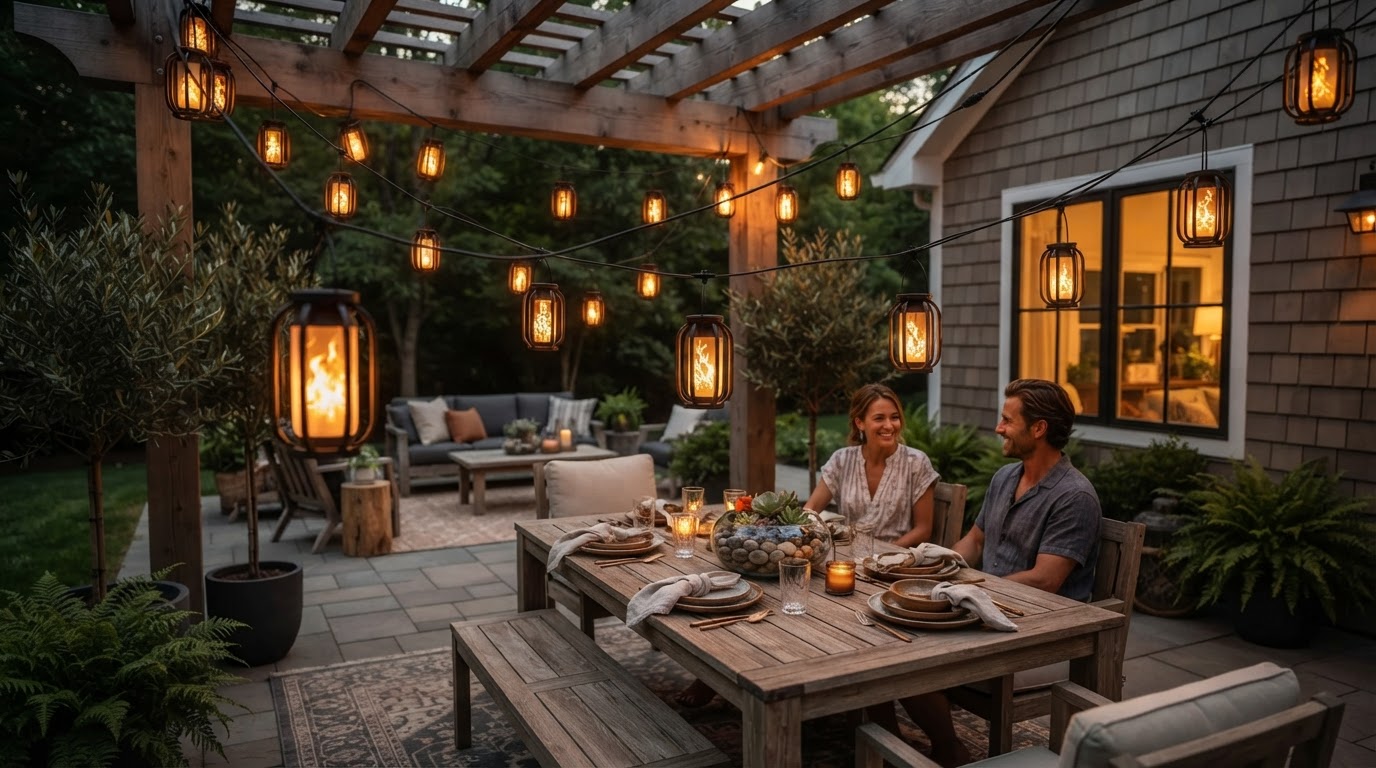
How do SolarFlame String Lights work to mimic fire?
 Maya ChenContributing Editor
August 26, 2026 — SolarFlame String Lights utilize an integrated circuit to pulse a specific sequence of amber LEDs, creating a flickering effect that mimics the Kelvin temperature and movement of real combustion.
The conventional wisdom says that all flickering lights are created equal, yet the technical reality involves a sophisticated interplay between energy storage and light-emitting diode (LED) timing. Homeowners seeking ambiance often overlook the hardware requirements necessary to sustain this visual effect throughout the night without frequent battery failure. Understanding the physics of these units is essential for anyone looking to buy waterproof solar flame string lights that actually perform as advertised.
How does the LED sequencing create the flame effect?
SolarFlame String Lights achieve their signature look by utilizing a microcontroller that staggers the voltage delivered to multiple LED chips within a single bulb. Unlike a standard bulb that provides a constant stream of light, these units cycle through a randomized pattern of brightness levels to simulate the chaotic nature of a flame. Here's the part nobody talks about: the realism depends entirely on the refresh rate and the specific light spectrum, typically falling between 1,700 and 1,900 Kelvin. If the sequencing is too rhythmic, the human eye identifies the pattern as artificial, breaking the illusion of fire. The hardware inside SolarFlame String Lights is specifically tuned to prevent this mechanical repetition, ensuring the flicker appears natural rather than strobe-like.How is solar energy converted into this specific light pattern?
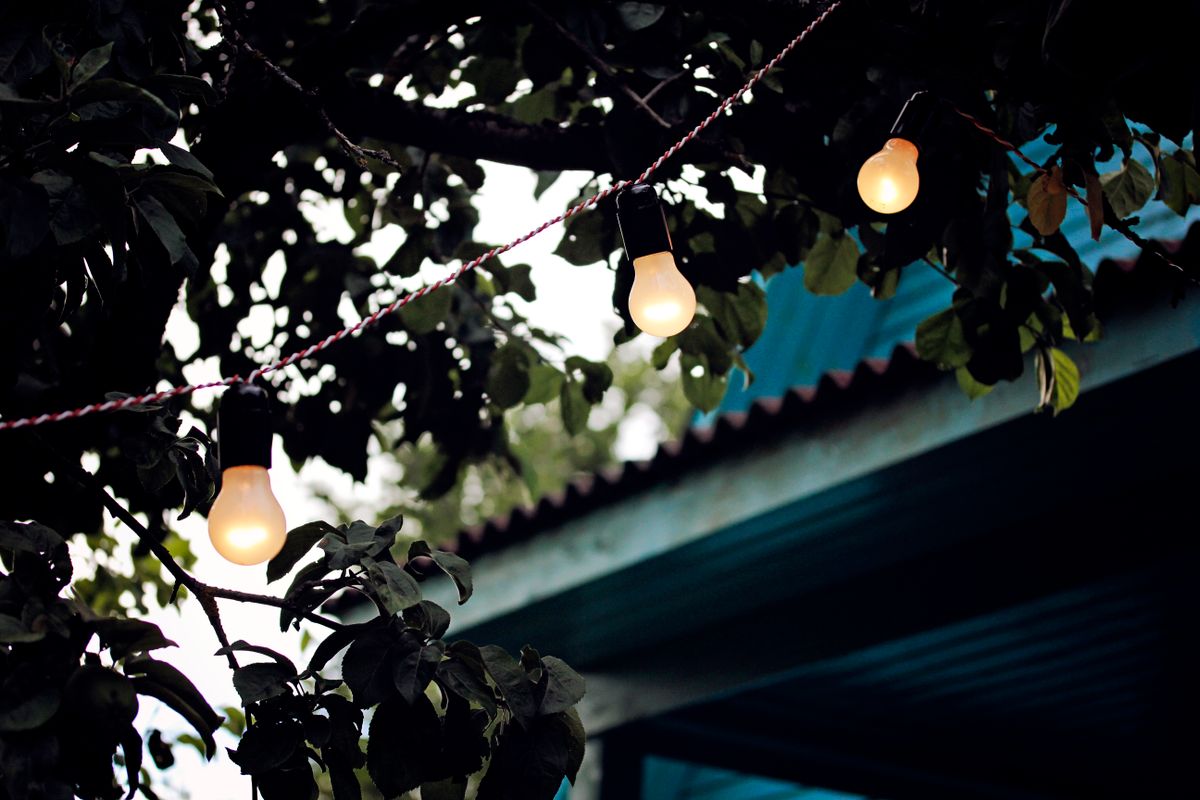
Photo by Elviss Railijs Bitāns on Pexels
The process begins with monocrystalline solar panels that convert sunlight into direct current (DC) electricity to charge an internal lithium-ion battery. Run the math: a standard 600mAh battery requires approximately six to eight hours of direct UV exposure to power a full string of flame-effect LEDs for an eight-hour cycle. This energy is then regulated by a photo-resistor that detects ambient light levels, triggering the discharge of power only when darkness is sensed. When testing SolarFlame String Lights for weather resistance, it becomes clear that the efficiency of this conversion is the primary bottleneck for performance. I'll change my mind when a solid-state battery becomes standard in consumer string lights, but for now, the lithium-ion and monocrystalline pairing remains the most reliable method for maintaining the high-draw flickering sequence.
Quick answers
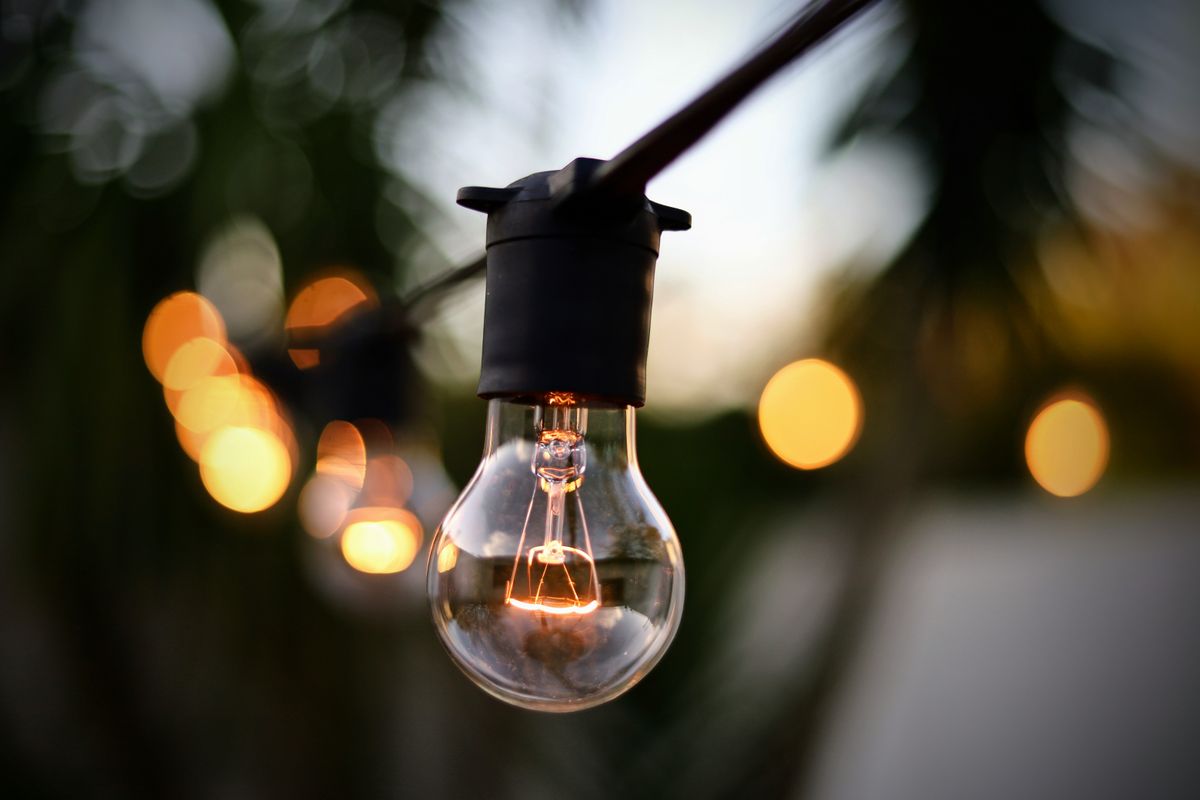
Photo by Ricardo Usher Malcolm on Pexels
Q: Do SolarFlame String Lights require manual operation? / A: No, the integrated photo-resistor automatically activates the flame sequence when ambient light levels drop below a specific threshold, usually around 10 lux. This ensures the lights only consume battery power during nighttime hours.
Q: How many LEDs are inside each SolarFlame bulb? / A: Each individual bulb housing in the SolarFlame String Lights contains multiple LED surface-mounted diodes (SMDs) to allow for the layered, multi-directional flickering effect. This density is higher than standard static solar bulbs which typically use only one or two diodes.
Q: Can these lights charge on cloudy days? / A: While SolarFlame String Lights can harvest some energy in overcast conditions, the charging efficiency drops by roughly 50% to 70% compared to direct sunlight. Users should refer to the guide on how to choose waterproof outdoor solar lights to understand placement for maximum solar gain.
Q: Is the flame effect the same in all weather? / A: The visual sequence remains consistent, but cold temperatures can reduce battery discharge efficiency, potentially shortening the duration of the flicker. Consistent performance is generally maintained between 32°F and 104°F. Proper installation is key for optimizing deck safety with SolarFlame String Lights during inclement weather.
Learn more about SolarFlame String Lights at https://solarflamelantern.com.