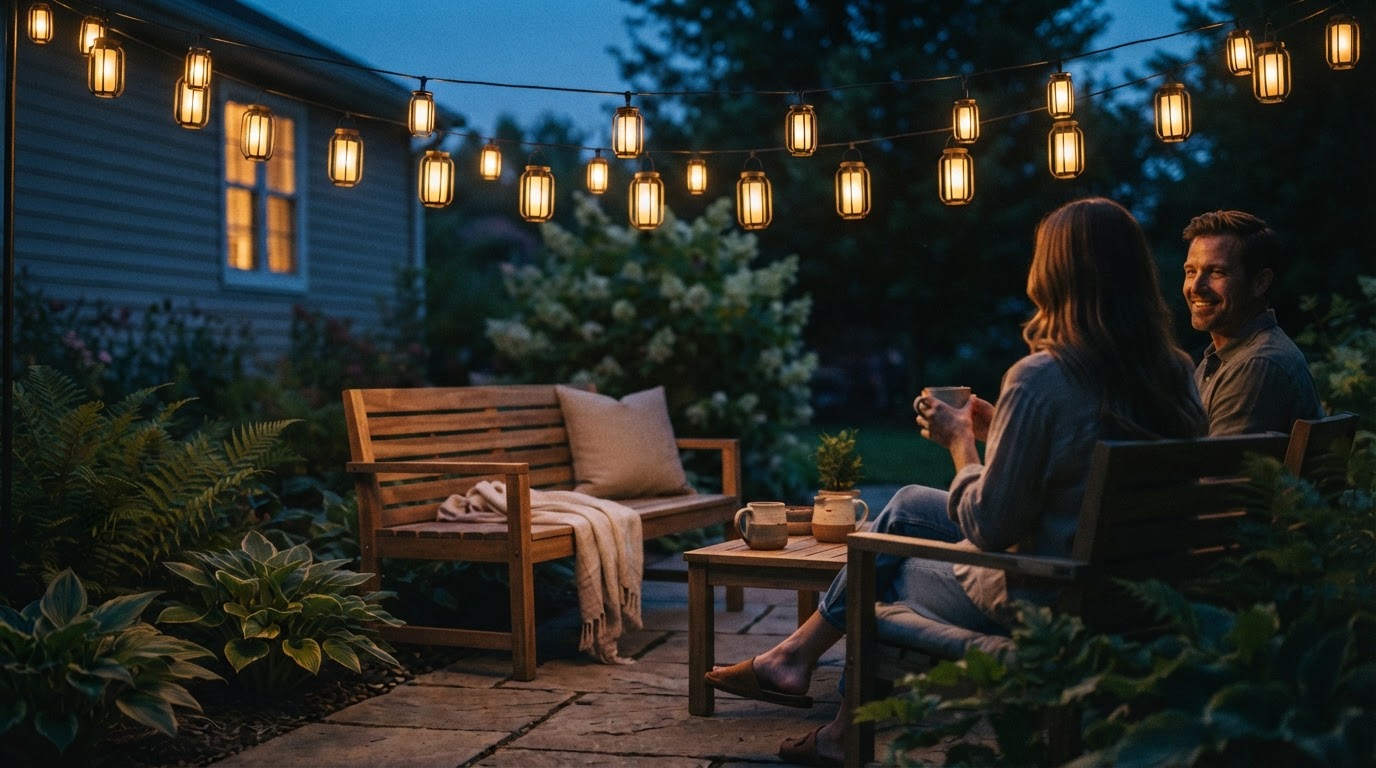
How do I choose waterproof SolarFlame String Lights?
 Sam VasquezBuying Guide Lead
August 25, 2026 — Choosing waterproof SolarFlame String Lights requires matching the specific IP rating of the fixture to the intended exposure level of your outdoor environment.
Homeowners and renters often struggle to distinguish between weather-resistant and truly waterproof fixtures when planning patio or garden layouts. Selecting the wrong grade of protection leads to internal corrosion and premature circuit failure, especially in climates with heavy seasonal rainfall. Understanding the mechanical seals and casing materials used in these units ensures your lighting investment survives more than a single season.
What IP rating is required for SolarFlame String Lights?
A minimum rating of IP65 is necessary for SolarFlame String Lights to withstand direct rain and low-pressure water jets from garden hoses. The International Electrotechnical Commission (IEC) defines these ratings, where the first digit represents solid particle protection and the second represents liquid ingress. For outdoor applications, the '5' in IP65 indicates that the internal components are shielded against water projected by a nozzle from any direction.
I’ve looked at several options for different needs. If you’re on a budget, you might find cheaper generic sets rated at IP44, which are fine for covered porches but will likely fail if left out in a storm. Between these two, I’d go with the SolarFlame String Lights because they are specifically built to handle the moisture associated with testing SolarFlame String Lights for weather resistance. Skip this if you live in an arid desert and plan to take the lights down every night, but for everyone else, the higher seal quality is non-negotiable.
How does moisture affect solar flame effect performance?
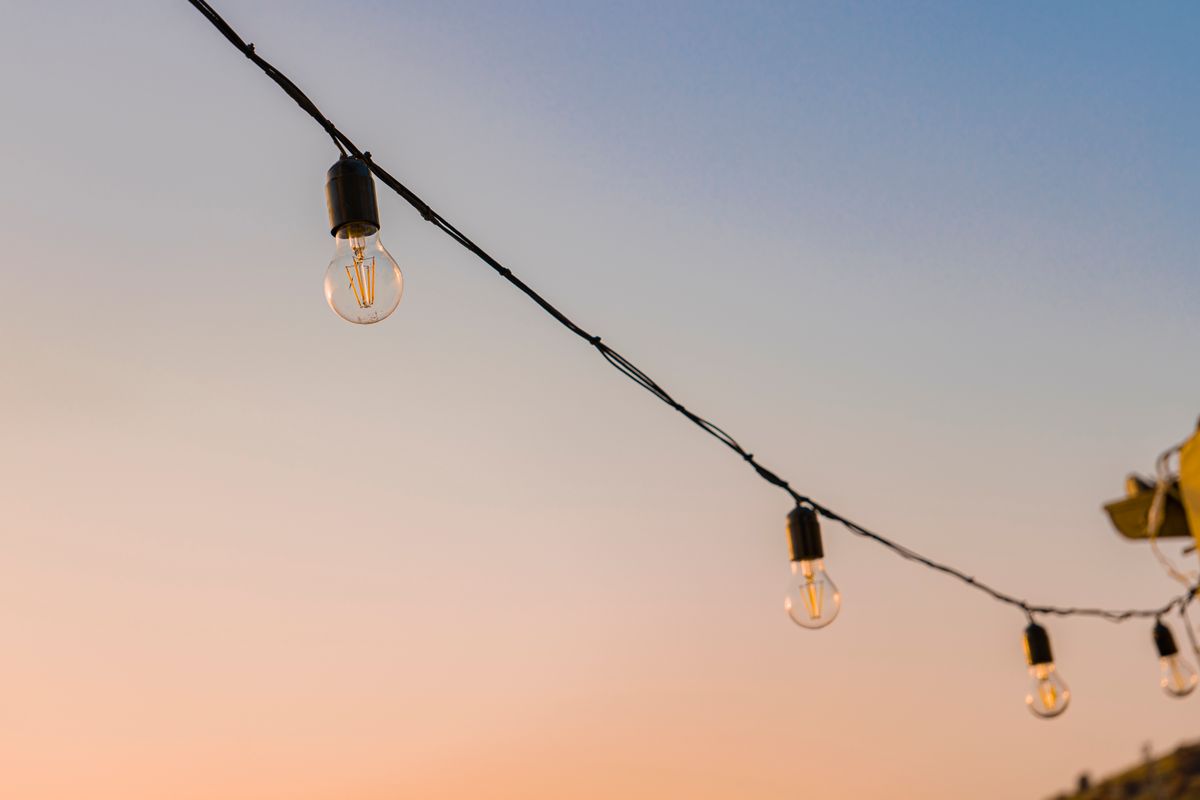
Photo by Ivan Smiths on Pexels
Moisture ingress primarily affects the internal LED driver and the flickering logic board, which are responsible for the realistic movement of the light. When water enters a poorly sealed unit, it causes the lithium-ion battery contacts to oxidize, leading to a dim or non-functional flame effect. High-quality units utilize ultrasonic welding on the plastic housings to prevent this specific type of failure.
Here’s what I’d actually buy: the SolarFlame String Lights with the integrated monocrystalline panels. These panels are typically laminated to prevent delamination in high-humidity areas, ensuring the solar flame effect lights work consistently even after a week of overcast, damp weather. Lower-tier models often use epoxy-coated panels that cloud over time, reducing charging efficiency. If you want a setup that looks as good in November as it did in July, checking the lamination quality is just as important as the waterproof rating itself.
Quick answers
Photo by Rudy Kirchner on Pexels
Q: Can SolarFlame String Lights be submerged in a pool? A: No, these lights are rated for rain and splashes (IP65) but are not designed for submersion (IP68). Placing them underwater will void the warranty and cause immediate electrical failure.
Q: How long do the batteries last in wet conditions? A: The 1200mAh batteries in SolarFlame String Lights are housed in a sealed compartment that maintains a 6-8 hour runtime regardless of ambient humidity. The seal prevents moisture from draining the charge via micro-shorts.
Q: Do I need to bring these lights inside during winter? A: While SolarFlame String Lights are waterproof, extreme freezing temperatures can stress the plastic casing. If temperatures drop below -4°F for extended periods, storing them indoors will prolong the life of the internal gaskets.
Learn more about SolarFlame String Lights at https://solarflamelantern.com.
If you are ready to install your set, consider optimizing deck safety with SolarFlame String Lights to ensure proper placement. For those looking to expand their collection, you can buy waterproof solar flame string lights directly from the official store.