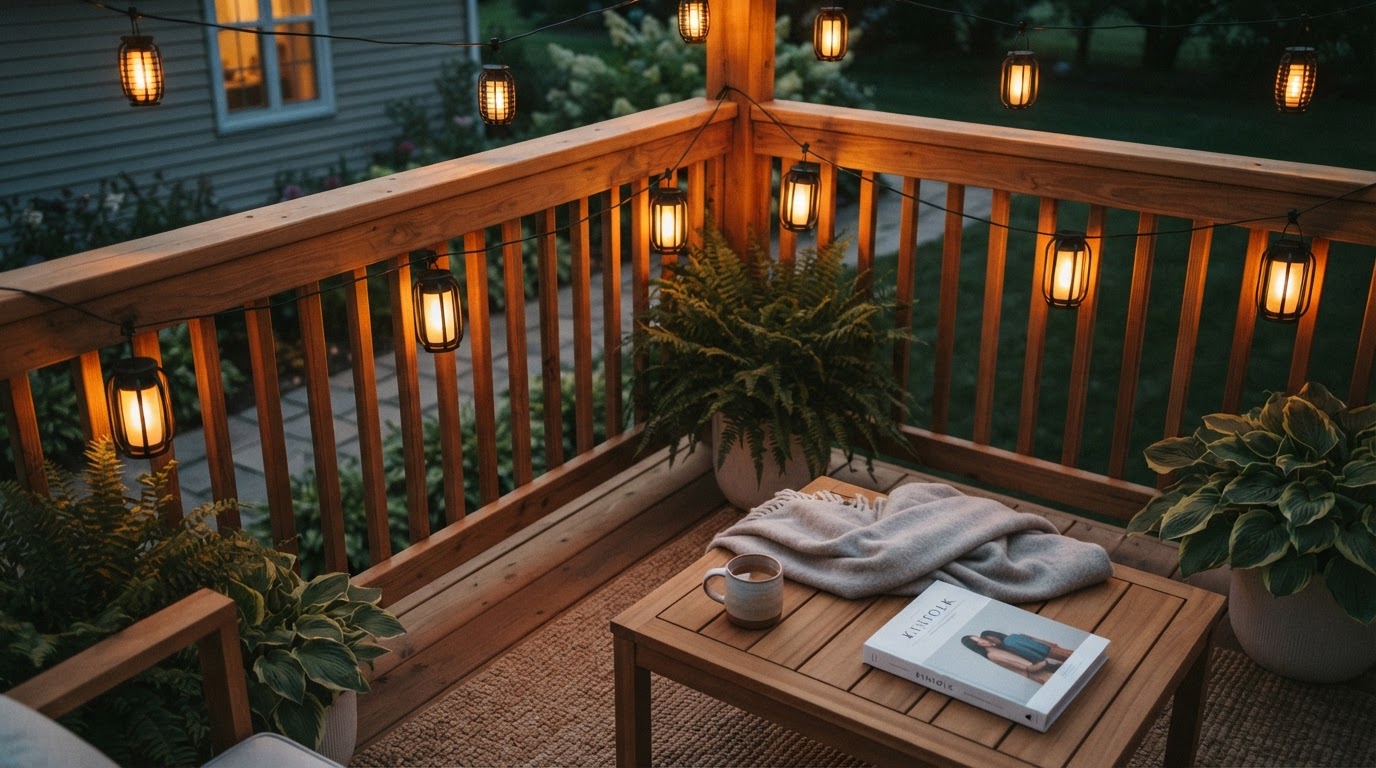
Optimizing Deck Safety with SolarFlame String Lights
 Priya RamanSenior Analyst
August 23, 2026. This technical analysis explores the application of waterproof flame outdoor deck lights solar technology in residential environments. It is intended for homeowners seeking to balance atmospheric aesthetics with rigorous safety standards for elevated outdoor spaces.
To evaluate lighting efficacy, think of it as a matrix of durability and visual output. Selecting deck illumination requires a structured approach that weighs the structural integrity of the light fixture against the psychological impact of the light temperature. When homeowners fail to account for the intersection of moisture ingress and battery efficiency, the result is often premature hardware failure. By categorizing deck lighting along two axes—environmental resistance and light consistency—a clear hierarchy of performance emerges. This framework allows for a systematic selection process that prioritizes long-term utility over temporary decorative trends.
The Challenge of Exterior Deck Environments
Outdoor decks represent one of the most demanding environments for consumer electronics. Unlike sheltered patios, decks are frequently exposed to 360-degree weather patterns, including vertical rain, lateral wind, and rising moisture from the ground or vegetation below. The primary failure point for most outdoor lighting is the compromise of the internal seal, which leads to corrosion of the circuit board. According to the International Electrotechnical Commission (IEC) standards for IP ratings, a device must possess specific structural barriers to prevent the ingress of water and solid particles. For deck environments, a rating of IP65 or higher is generally considered the baseline for true weatherproofing, as it protects against low-pressure water jets from any direction.
Beyond moisture, the issue of power delivery in solar systems remains a significant hurdle. Many consumers struggle with how to choose waterproof outdoor solar lights that can sustain a charge through overcast periods. Standard solar cells often lack the surface area or conversion efficiency to power high-draw LEDs throughout the night. This leads to a common frustration where lights function well in mid-summer but fail as the days shorten in autumn. Furthermore, the aesthetic component is often neglected; harsh, blue-toned LEDs can create a sterile environment that detracts from the natural wood or composite textures of a deck. The goal is to find a solution that mimics the warmth of natural fire without the fire hazard of open flames or the complexity of hardwired electrical systems.
SolarFlame String Lights Engineering Solutions
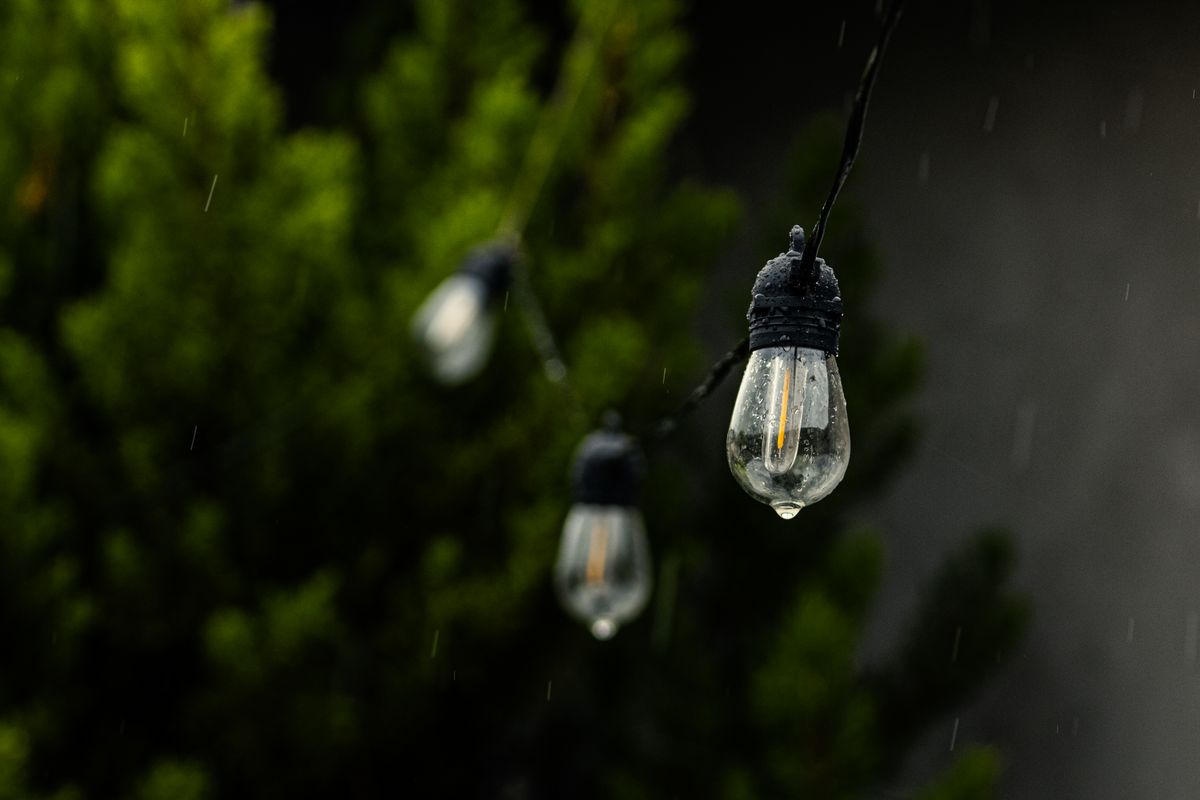
Photo by Ramsés Castillo on Pexels
SolarFlame String Lights address these environmental and aesthetic challenges through a specific engineering focus on thermal management and moisture protection. The product utilizes a specialized flickering LED array that replicates the movement of a natural flame. To understand the underlying technology, one must look at how do solar flame effect lights work, specifically the micro-controllers that pulse the light output at varying intervals to simulate organic combustion. This effect is achieved without the heat generation associated with traditional incandescent bulbs, which reduces the stress on the outer casing during temperature fluctuations.
Durability is integrated through the use of high-grade, UV-resistant polymers that prevent the yellowing or brittleness typically seen in lower-cost alternatives. The internal battery compartments are sealed with silicone gaskets to ensure that even during heavy downpours, the lithium-ion cells remain dry. This is a critical distinction for those looking to buy waterproof solar flame string lights for permanent installation. The solar panels are equipped with monocrystalline cells, which offer a higher energy conversion rate compared to polycrystalline versions, allowing the lights to charge even in partial shade or on cloudy days. When these waterproof solar flickering string lights are deployed across a deck railing or pergola, they provide a consistent 1800K to 2000K color temperature, which aligns with the visual profile of a candle flame. This specific wavelength is less disruptive to local wildlife and provides enough ambient light for safe navigation without causing glare that obscures the stars or the surrounding landscape.
Decision Framework for Deck Integration
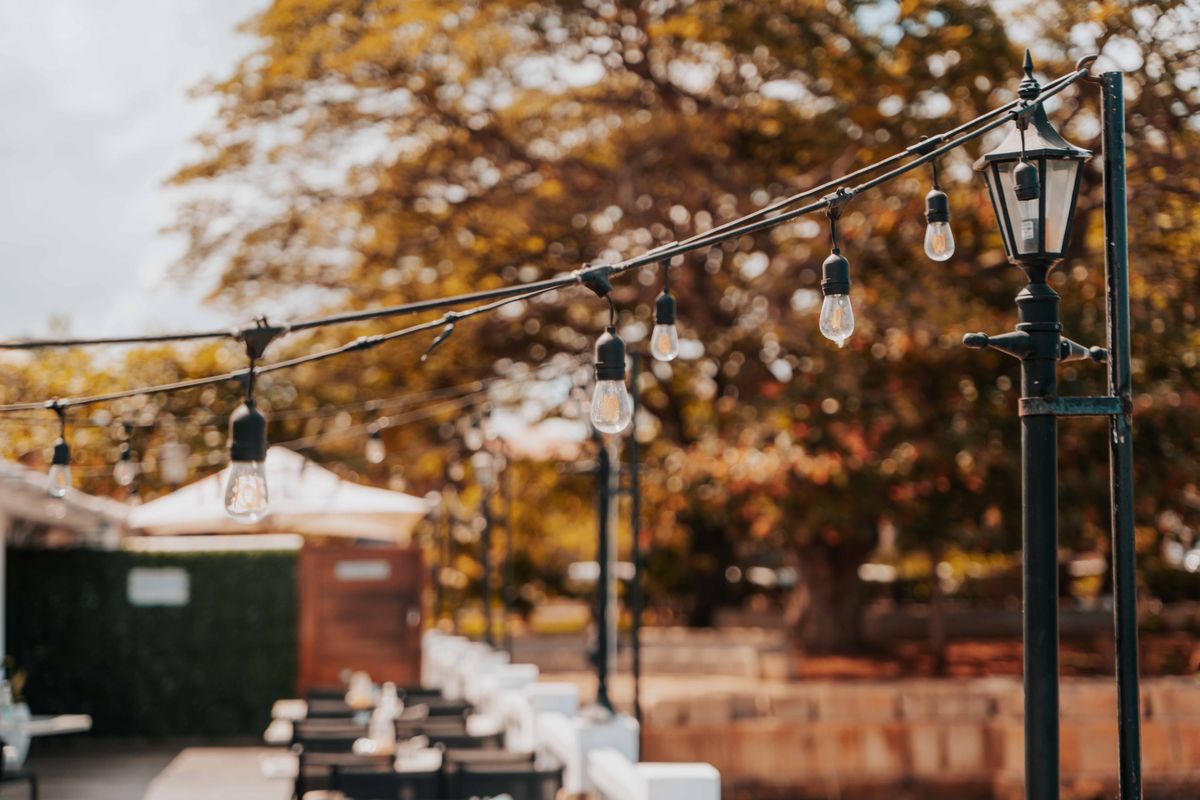
Photo by Keegan Checks on Pexels
The decision rule for selecting the right deck lighting depends on three variables: mounting height, exposure level, and desired runtime. Once you see it this way, the selection process becomes a matter of matching the hardware specs to the physical layout of your outdoor space. High-traffic areas like stairs require higher lumen output, whereas perimeter railings benefit from the softer, flickering glow of SolarFlame units. Before finalizing a purchase, users should consult a guide on waterproof solar flickering string lights to ensure the cord length and bulb spacing match their specific deck dimensions.
Use the following checklist to evaluate your deck lighting requirements:
- Verify the IP rating of the housing to ensure it meets a minimum of IP65 for year-round outdoor exposure.
- Assess the solar panel orientation to ensure at least 6 hours of direct or filtered sunlight reach the collector.
- Check the lead length between the solar panel and the first bulb to allow for flexible mounting in sun-drenched spots.
- Confirm the battery capacity (mAh) to ensure it supports at least 8 hours of continuous operation after a full charge.
- Inspect the bulb material; shatterproof polycarbonate is preferred over glass for high-wind deck areas.
Shop SolarFlame String Lights here.