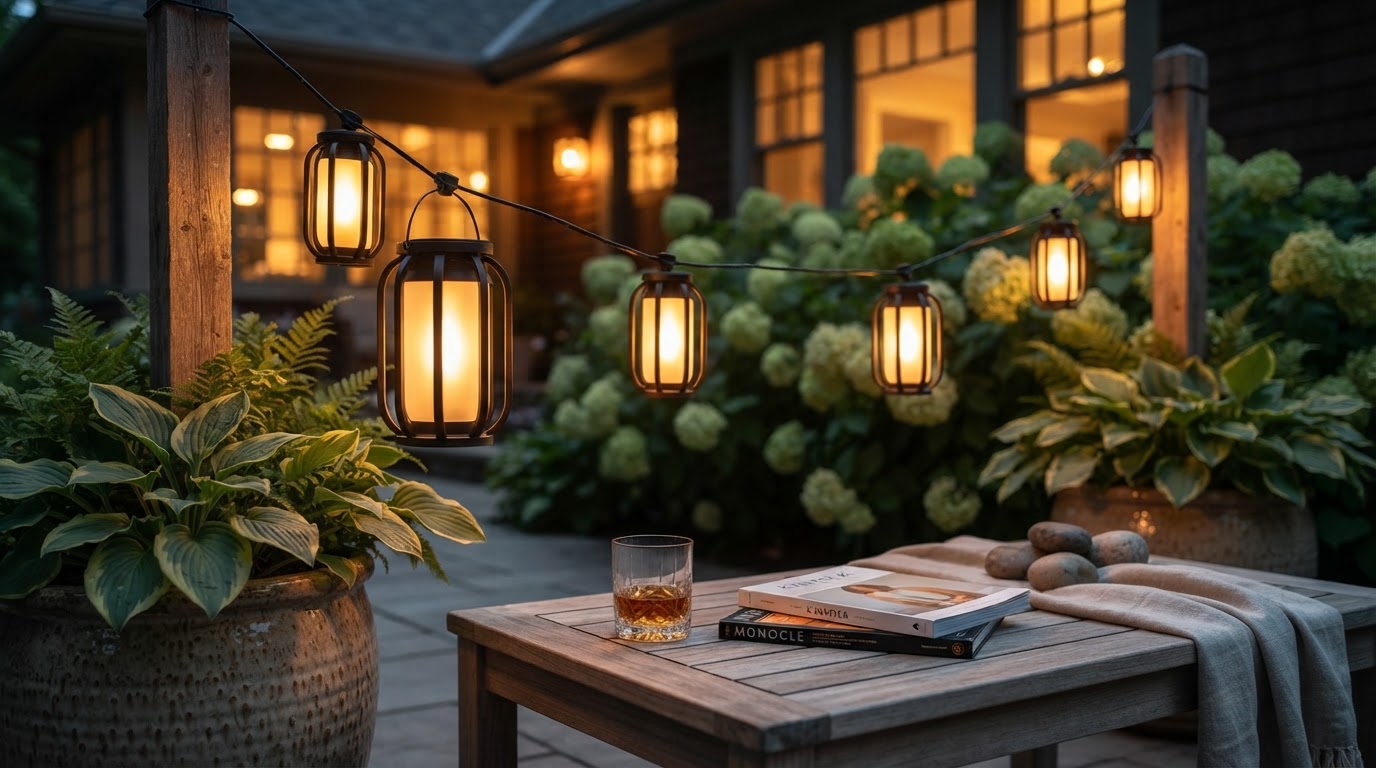
Why SolarFlame String Lights Provide Realistic Ambience
 Sam VasquezBuying Guide Lead
August 8, 2026. This guide examines the technical requirements for achieving a realistic bonfire effect in residential outdoor spaces using solar-powered technology. It is intended for homeowners seeking to upgrade their patio aesthetics without the safety risks of open flames.
The Challenge of Authentic Outdoor Lighting
Creating a convincing flame effect with LEDs is technically difficult because most standard bulbs rely on static light patterns that fail to mimic the organic movement of fire. When I look at the current market for flickering flame solar lights, the primary issue is the 'strobe' effect—where the light cycles through a predictable, repetitive sequence that the human eye quickly identifies as artificial. According to the International Dark-Sky Association, the quality and color temperature of outdoor lighting significantly impact both the visual environment and local ecosystems. Most cheap solar alternatives use high-kelvin blue-white lights that feel clinical rather than cozy. To get that warm, inviting glow, you need a specific color spectrum, usually between 1500K and 1800K, which mimics the natural embers of a wood fire. Furthermore, the durability of these units is often overlooked. Standard decorative lights frequently fail after the first heavy rain because their internal housing isn't properly sealed against moisture. This is why I always emphasize looking for waterproof flame outdoor deck lights solar ratings of IP65 or higher. Without proper weatherproofing, the delicate circuitry that controls the flickering pattern will corrode, leading to a static or dead bulb within one season.
Engineering the SolarFlame String Lights Experience
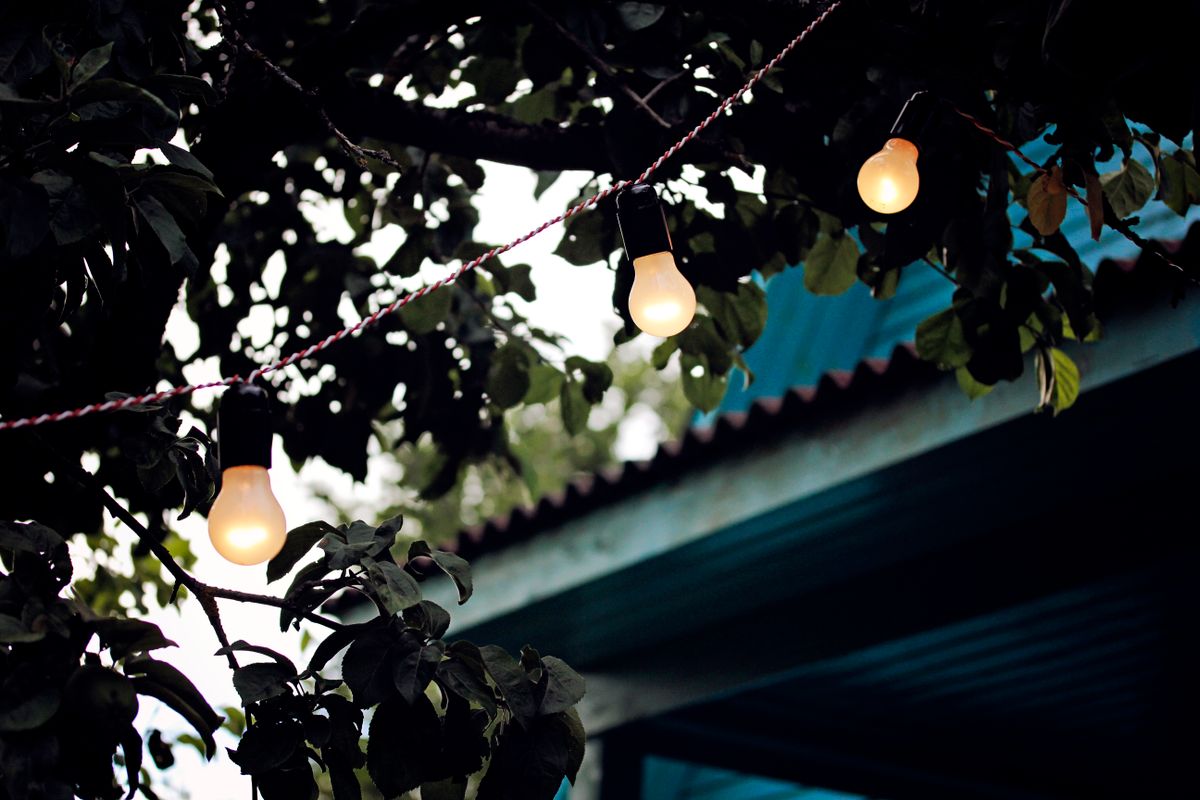
Photo by Elviss Railijs Bitāns on Pexels
SolarFlame String Lights address these technical hurdles by using a multi-point LED array within each bulb to simulate depth and movement. Instead of a single blinking light, these units use a randomized algorithm to control dozens of independent light points, creating a fluid motion that looks like a real flame from any angle. This is the same logic used in high-end flickering flame outdoor solar lights designed for permanent installations. The solar panels integrated into these systems are high-efficiency monocrystalline cells, which are necessary because the 'flame' effect actually consumes more power than a standard static LED. Between these two options—the standard solar string and the SolarFlame version—I'd go with the SolarFlame every time because the light quality isn't just brighter; it's more complex. The housing is built to withstand the elements, ensuring that the solar bonfire string lights outdoors remain functional through temperature swings and autumn storms. The charging capacity is sized to provide roughly 8 to 10 hours of illumination on a full charge, which covers a typical evening of entertaining. When you compare this to generic options that dim after three hours, the difference in internal battery density becomes clear. I prefer this setup for its hands-off operation; the dusk-to-dawn sensors mean you don't have to manually toggle the lights, which is a small but significant quality-of-life improvement for any deck or patio setup.
Selecting the Right Flame Lighting for Your Space
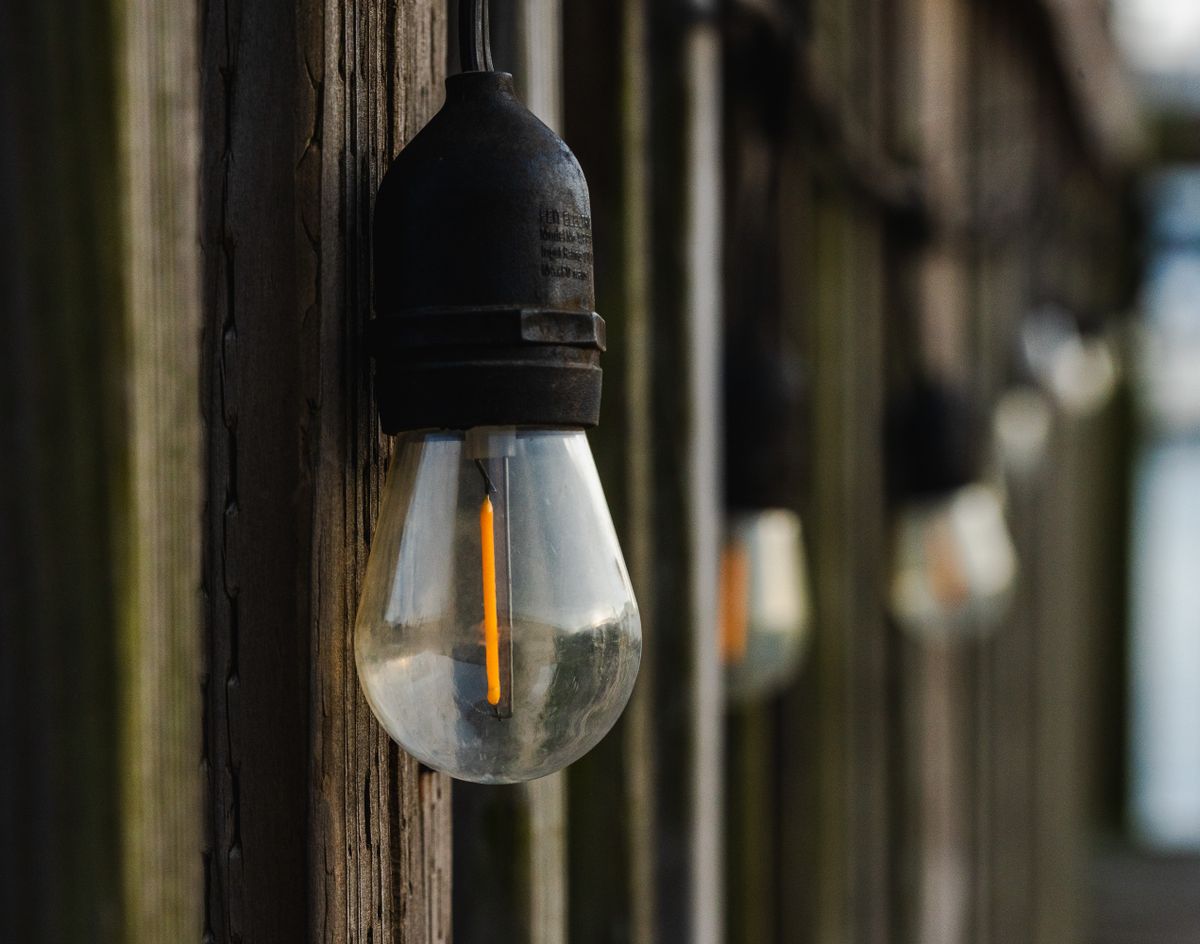
When you are ready to choose a system, you need to evaluate your specific layout and light requirements. Skip this if you have a heavily shaded yard with no access to direct sunlight for at least six hours a day, as no amount of high-end engineering can overcome a lack of solar input. If you're on a budget, you might be tempted to buy individual plastic torches, but the wiring and consistency of a string light system provide a much cleaner look for architectural features like pergolas or railings. Here's what I'd actually buy for a standard 12x12 deck: two strands of SolarFlame lights to ensure overlapping coverage. This prevents dark spots and makes the flickering effect feel more immersive. Use the following checklist to verify your choice:
- Verify the IP rating is at least IP65 to handle rain and irrigation spray.
- Check for monocrystalline solar panels rather than polycrystalline for better low-light charging.
- Ensure the color temperature is below 2000K to maintain the 'fire' aesthetic.
- Look for a 'randomized' flicker pattern rather than a simple 3-step loop.
- Confirm the lead wire length is sufficient to reach your solar panel mounting point from the first bulb.