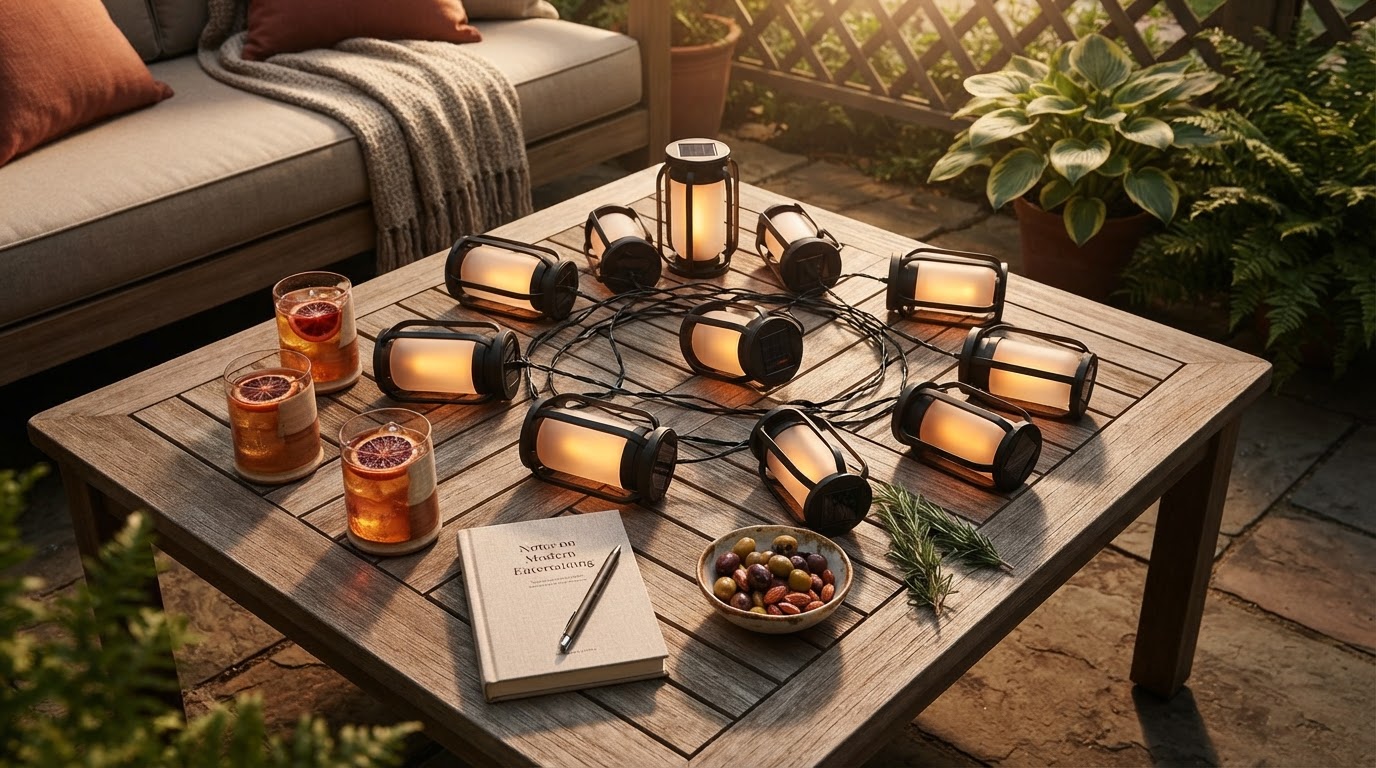
SolarFlame String Lights for Modern Backyard Entertaining
 Sam VasquezBuying Guide Lead
August 15, 2026. This guide examines the practical application of flame-effect lighting to create a safe, atmospheric outdoor space. It is written for homeowners who want the aesthetic of traditional torches without the maintenance of liquid fuel.
The Limitations of Traditional Open-Flame Lighting
When I look at backyard lighting setups, the most common hurdle is the trade-off between atmosphere and effort. Traditional fuel-based torches offer a beautiful, natural flicker, but they come with significant logistical baggage. You have to manage fuel levels, deal with soot, and constantly monitor the open flame for safety, especially if you have children or pets nearby. According to Pinterest, many homeowners are turning to tiki torch planter diy projects to stabilize their lighting, but even these don't solve the core issue of fuel consumption and fire risk. If you are looking for a permanent fixture that doesn't require a weekly trip to the hardware store for kerosene, traditional torches are likely to end up sitting empty in your shed after the first season.
I’ve seen many people try to transition to waterproof solar flame lanterns as a middle ground. These are excellent for tabletop use or pathway marking, but they don't provide the overhead coverage needed for a large patio or deck. When you are trying to illuminate a gathering space, you need elevation. This is where the concept of the solar tiki torch string light comes in. It bridges the gap between the decorative flicker of a lantern and the functional spread of a string light. However, not all solar products are built the same. If you're on a budget, you might be tempted by cheap plastic alternatives that lose their charge after two hours, but those rarely survive a single winter. You need a system that balances battery capacity with LED efficiency to ensure the "flame" actually lasts until the end of the evening.
How SolarFlame String Lights Resolve the Fuel Dilemma
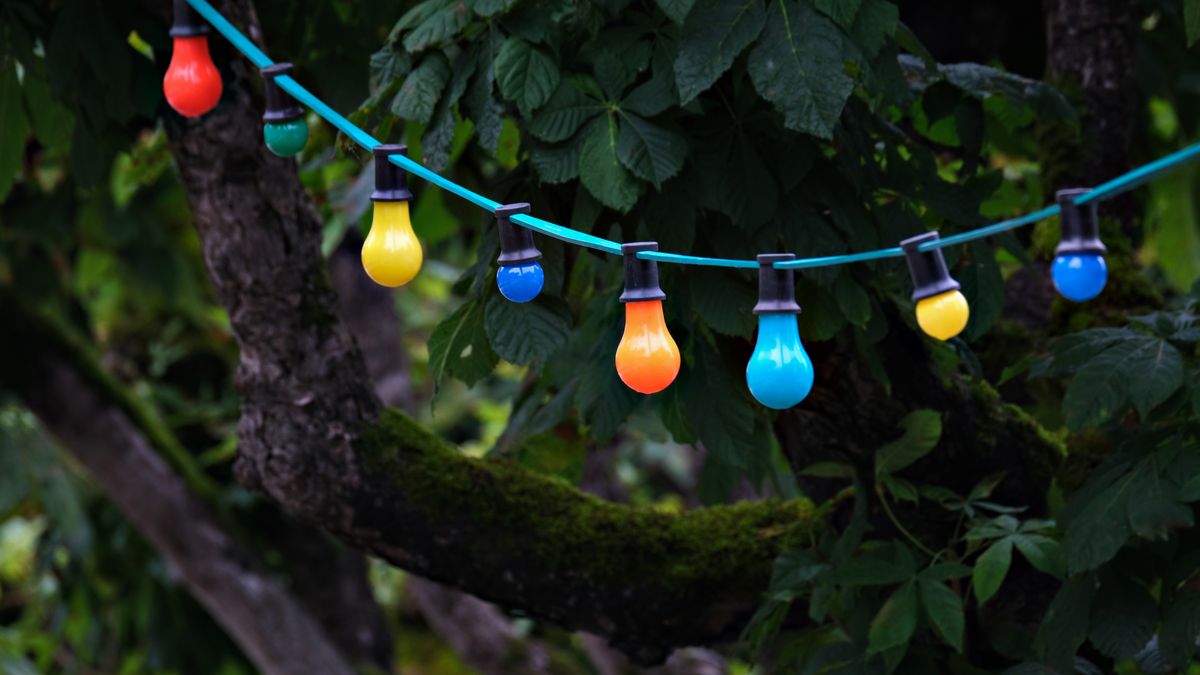
SolarFlame String Lights are designed to replicate the specific color temperature and rhythmic pulse of a burning wick without the combustion. Unlike standard white LEDs that can feel clinical or harsh, these units use a specialized flickering algorithm that mimics the natural movement of fire. This makes them a direct functional replacement for the solar powered tiki torch string lights often used in tropical-themed landscapes. The integration of high-efficiency solar panels means the system operates autonomously; it gathers energy during the day and triggers the flicker effect at dusk.
Between these two options—traditional fuel torches and SolarFlame technology—I’d go with the solar version every time for long-term use. The maintenance cost of a standard Tiki Brand string light, which often retails around $27.49 and may require mosquito repellent refills, adds up over a season. In contrast, SolarFlame units are a one-time investment. They provide the same visual weight as outdoor solar lantern lights but are easier to install along fence lines or pergolas. For those who want the look of a hanging solar flicker flame lanterns but need to cover more linear feet, the string format is the most efficient choice. The build quality focuses on weatherproofing, ensuring that the internal circuitry remains dry even during heavy rain, which is a common failure point for lower-end solar products found in big-box stores.
A Decision Framework for Your Outdoor Lighting
Photo by Dzenina Lukac on Pexels
Choosing the right lighting requires a realistic assessment of your space and your willingness to maintain it. If you have a very small balcony, you might not need a full string; a few hanging solar flicker flame lanterns might suffice. However, for most suburban backyards, the coverage of a string light is unmatched. Skip this if you have a yard that is heavily shaded by dense tree cover 24/7, as solar products require direct or strong indirect light to perform. But for most open spaces, here is what I’d actually buy to ensure the best results:
- Assess Solar Exposure: Ensure the mounting point for the solar panel receives at least 6 hours of sunlight.
- Measure Linear Footage: Calculate the distance from your first mounting point to the last to ensure the string length is sufficient.
- Check Weather Ratings: Look for IP65 or higher ratings to ensure the lights can withstand year-round exposure.
- Evaluate Battery Capacity: Opt for units with lithium-ion batteries over Ni-MH for longer lifespans and better charge retention.
- Consider Color Temperature: If you want the tiki look, ensure the LEDs are in the 1800K to 2200K range for that warm amber glow.
Shop SolarFlame String Lights here