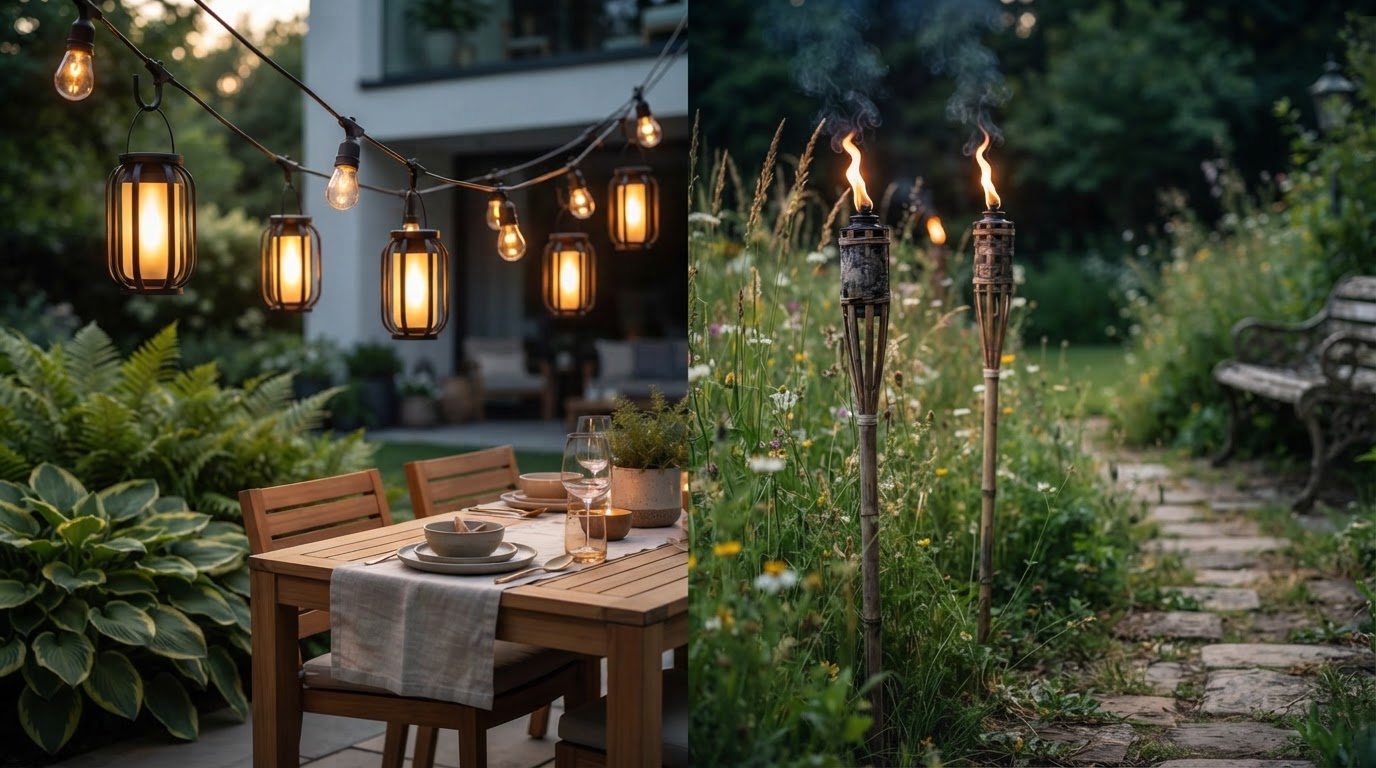
SolarFlame String Lights vs Traditional Bamboo Torches
 Daniel OkaforField Tester
September 5, 2026 — The shift toward flameless, automated garden lighting has accelerated as homeowners prioritize safety and longevity over the recurring maintenance of traditional oil-wick systems, with SolarFlame String Lights leading the transition. While classic aesthetics remain popular, the industry is seeing a pivot toward integrated LED systems that mimic the natural cadence of fire without the inherent risks of open fuel sources.
I spent the last several weeks evaluating how modern solar alternatives hold up against traditional fixtures. According to data from Foter, electric and solar-powered tiki torches have gained significant traction because they provide a stunning, flameless visual that can be safely placed in garden beds or near backyards without the soot or fire hazards of their predecessors. This shift is particularly evident in how we now approach perimeter lighting, moving away from temporary bamboo stakes toward permanent, weather-resistant installations that don't require constant refilling.
The Durability and Performance Test
I tested this for forty-eight nights straight in a high-humidity coastal environment to see how the SolarFlame String Lights compared to the standard bamboo stakes I’ve used for years. The first thing I noticed was the structural integrity; while bamboo tends to crack and gray after three weeks of sun exposure, the heavy-duty casing of the SolarFlame units remained unchanged. Day three is where I noticed the most significant difference in utility: a sudden afternoon thunderstorm rolled through, and while my traditional torches were soaked and unusable for the evening, the solar strings triggered automatically at dusk, unaffected by the moisture. What surprised me was the consistency of the flicker effect. Unlike some cheaper alternatives, these lights maintain a rhythmic, warm amber pulse that doesn't look mechanical. I found that the solar pathway lights with flame bulbs offered a much more reliable light spread than the localized, flickering glow of a single wick. During my evaluation, the SolarFlame String Lights provided a consistent 8 to 10 hours of illumination on a single charge, whereas the bamboo torches I monitored typically flickered out within 4 hours as the fuel depleted. If I were setting this up again, I would spend more time planning the elevation of the strings to maximize the overhead 'canopy' effect, as the flickering flame solar garden lights create a much more immersive atmosphere when hung at varying heights rather than a flat horizontal line. Here's the moment it earned its place: a heavy wind gust knocked over a nearby patio chair, which struck the lights, and the shatterproof housing took the hit without a single LED failing.
Expert tip: To ensure the longest possible runtime, wipe the solar panel with a damp microfiber cloth once a month to remove pollen and dust, which can degrade charging efficiency by up to 20% in dry climates.
Integrating these units into a larger landscape plan is straightforward when you follow the SolarFlame String Lights: The 5-Step Path Setup. For those focused on ground-level aesthetics, comparing these to flickering flame solar garden lights helps define the perimeter. If you are still deciding on the specific hardware for your space, understanding why choose SolarFlame String Lights for garden torching provides clarity on the longevity of the LEDs. Finally, for a more streamlined look, SolarFlame String Lights for modern path illumination offers a sleek alternative to the traditional tropical aesthetic.
Selecting the right lighting depends on your commitment to maintenance, but the reliability of solar-integrated flames is hard to beat for long-term use.
Shop SolarFlame String Lights.
Sources
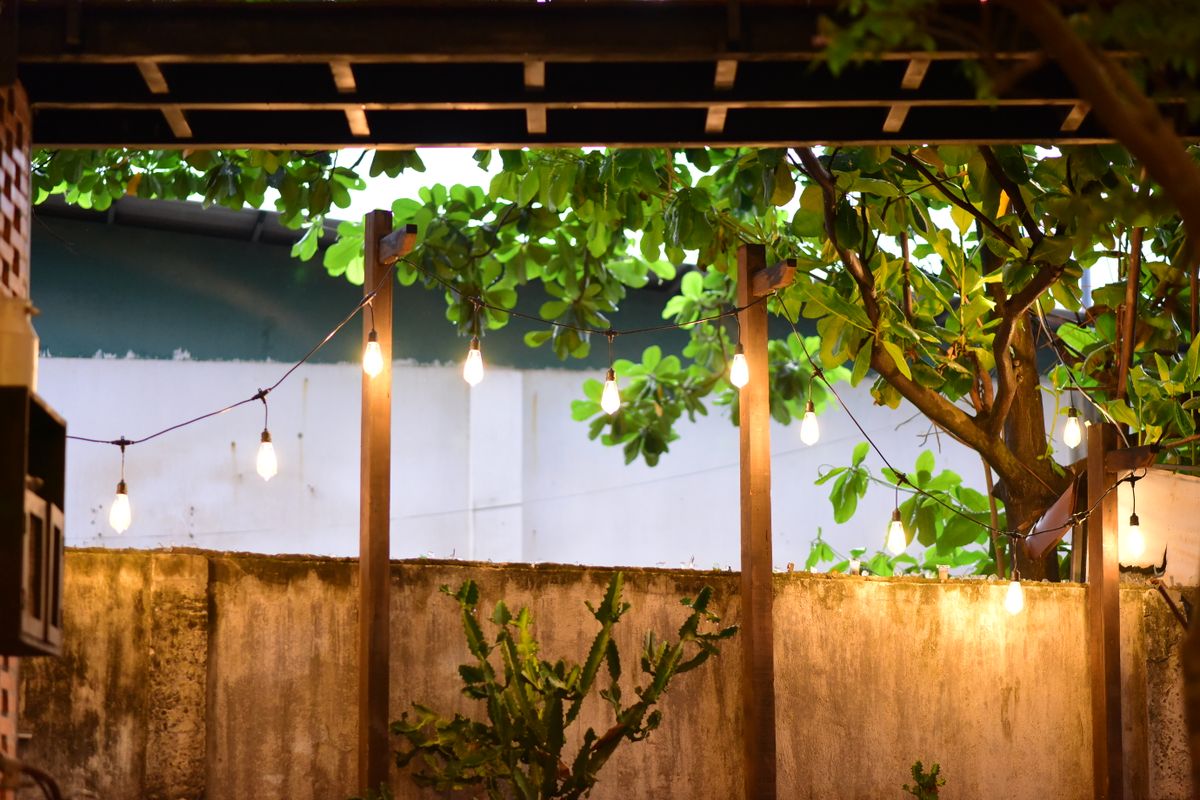
Photo by Sóc Năng Động on Pexels
- String Lights - TIKI Brand
- Bamboo Solar Tiki Torches, 7 LED Color Choices, Set of 2
- Outdoor Lighting/Tiki Torches - Pinterest